




Surface Treatment and Polishing: What Are the Differences?
Surface treatment and polishing play an important role in enhancing natural stone. These processes help improve the appearance of the material while strengthening its performance according to the requirements of each project. They also contribute to preserving the aesthetic and technical qualities of the stone over time.
Moreover, each technique meets specific needs in terms of finish, protection, and maintenance. Some solutions preserve the natural appearance of the material, while others place greater emphasis on its colors and veining. The choice generally depends on the desired result as well as the usage requirements and constraints of the project.


Why Apply a Surface Treatment?
Surface treatment protects natural stone from external factors. It helps reduce the effects of water, stains, and daily wear. This solution also improves the resistance of the most frequently used surfaces. In addition, it helps preserve the material’s qualities for a longer period of time.
Moreover, surface treatment preserves the natural appearance of the stone. It makes maintenance easier and helps reduce certain signs of wear. Many projects use this solution to improve the durability of surfaces. Today, it plays an important role in enhancing the value of natural stone.
What Is Polishing?
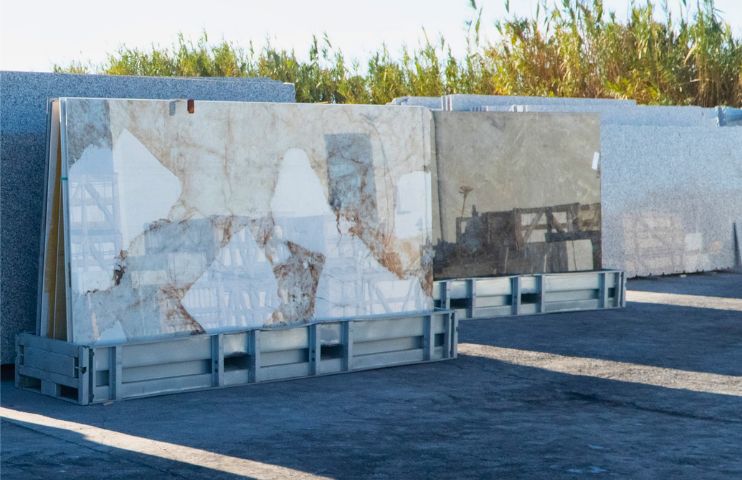
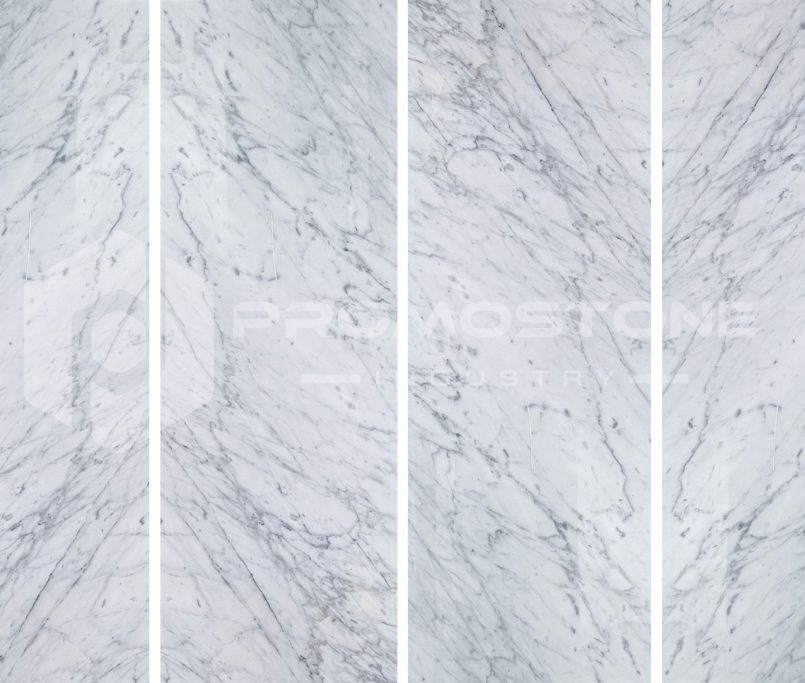
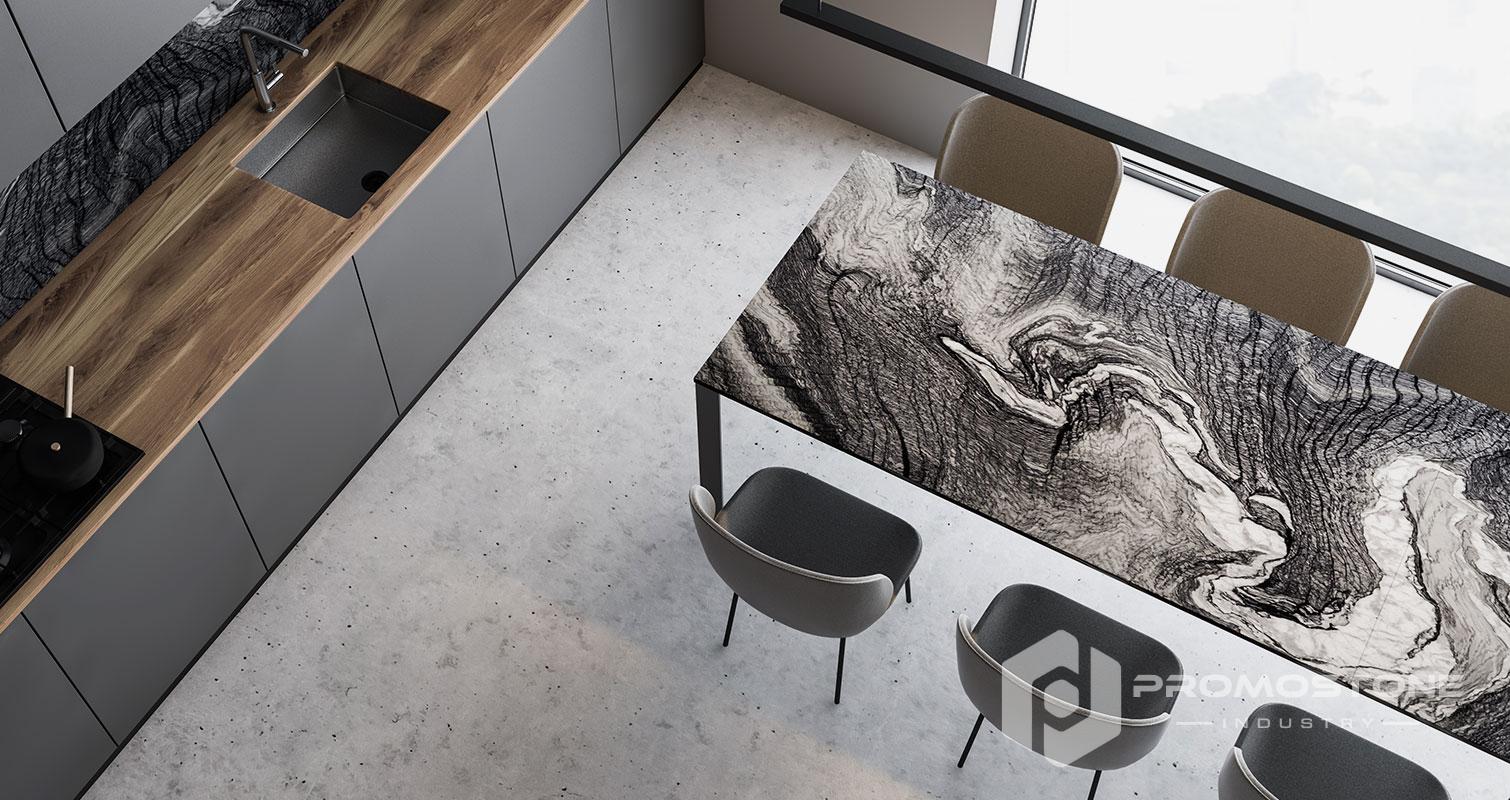
Polishing makes the surface of the stone smoother and more reflective. This technique highlights the natural colors of the material while enhancing its veining. It also increases the brightness of spaces and reinforces the aesthetic appeal of surfaces. Its elegant appearance remains highly appreciated in many projects.
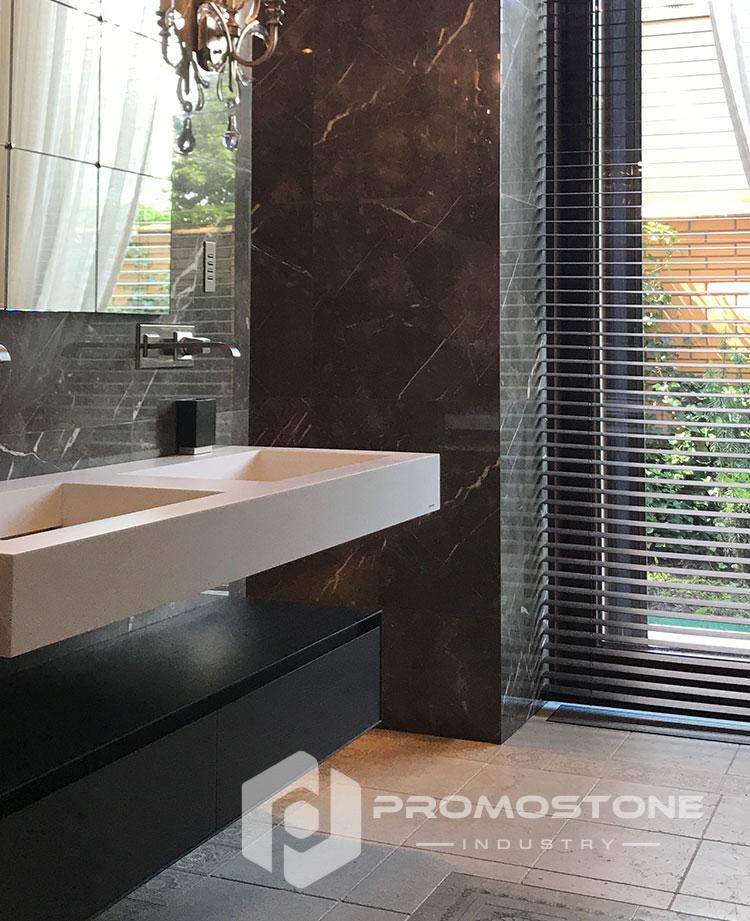
Moreover, a polished finish integrates easily into different design styles. It is suitable for both modern spaces and more traditional projects. This solution provides a refined appearance while helping create a harmonious and visually appealing result. It remains widely used in residential and professional developments.
Better Protection Against Moisture
Surface treatment helps protect stone from water and moisture. This protection is particularly useful in areas exposed to splashes, humidity, or changing weather conditions. It also helps preserve the material’s qualities over the long term.
Moreover, waterproofing helps maintain the natural appearance of the stone. It reduces risks associated with moisture and makes surface maintenance easier. This solution is frequently used in residential projects and is also widely appreciated in professional applications.
Effective Protection Against Stains
Anti-stain treatment limits the absorption of liquids by natural stone. This protection makes it easier to clean surfaces used every day. It reduces the risk of marks caused by certain products and helps limit the effects of different types of dirt. Its use contributes to maintaining a clean appearance for a longer period.
Moreover, this solution is suitable for different types of projects. It is often used in kitchens, bathrooms, and high-traffic areas. Its effectiveness simplifies the daily maintenance of the material while helping preserve the visual quality of surfaces over time.
Preserving the Natural Appearance of Stone
Surface treatment protects stone while preserving its texture and natural appearance. The aesthetic qualities of the material remain visible after treatment. This solution helps maintain the visual identity of the stone and preserve its appearance over the years.
Moreover, some finishes slightly enhance the natural colors of the material. They improve the overall appearance without altering its original character. This solution remains highly appreciated in decoration and design projects.
The Most Common Applications
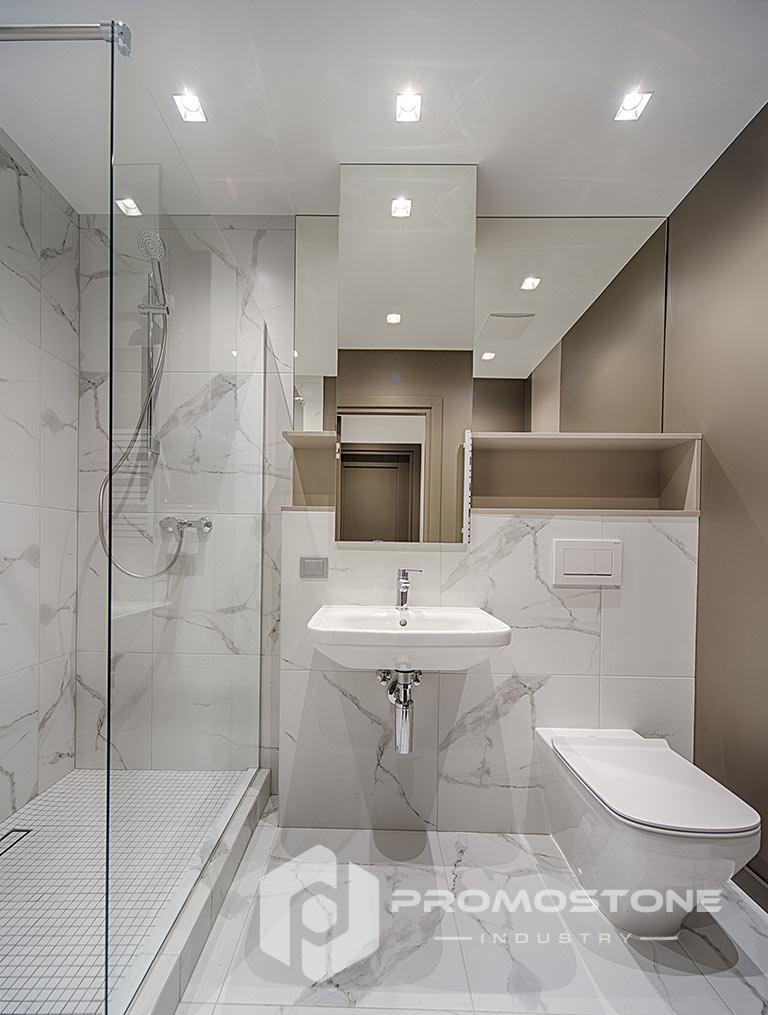
Surface treatment and polishing are widely used in design and construction projects. They can be applied to floors, walls, staircases, and countertops. These solutions meet the needs of many residential and professional spaces.
Moreover, these techniques are suitable for both interior and exterior applications. Their versatility makes them easy to integrate into different projects and architectural styles. In addition, they improve the appearance of surfaces while enhancing their durability.
How to Choose the Right Solution?
The choice between surface treatment and polishing mainly depends on the intended use. Some surfaces require greater protection, while others focus more on aesthetics. Each project has specific requirements, making it important to evaluate them carefully before making a decision.
Moreover, it is essential to consider the type of natural stone and the technical constraints of the project. This analysis helps compare the available options and select the most suitable solution. It also contributes to achieving a durable and harmonious result.
Why Work with a Professional?
Applying a surface treatment or carrying out polishing requires experience and expertise. Each type of stone has its own characteristics, and the choice of solution depends on the project requirements and the desired result. A proper intervention helps achieve a higher-quality finish.
Moreover, a professional can recommend the most suitable treatment according to the characteristics of the material. Their expertise helps ensure a harmonious and long-lasting result. In addition, it helps preserve the appearance of the stone and maximize its durability over time.