



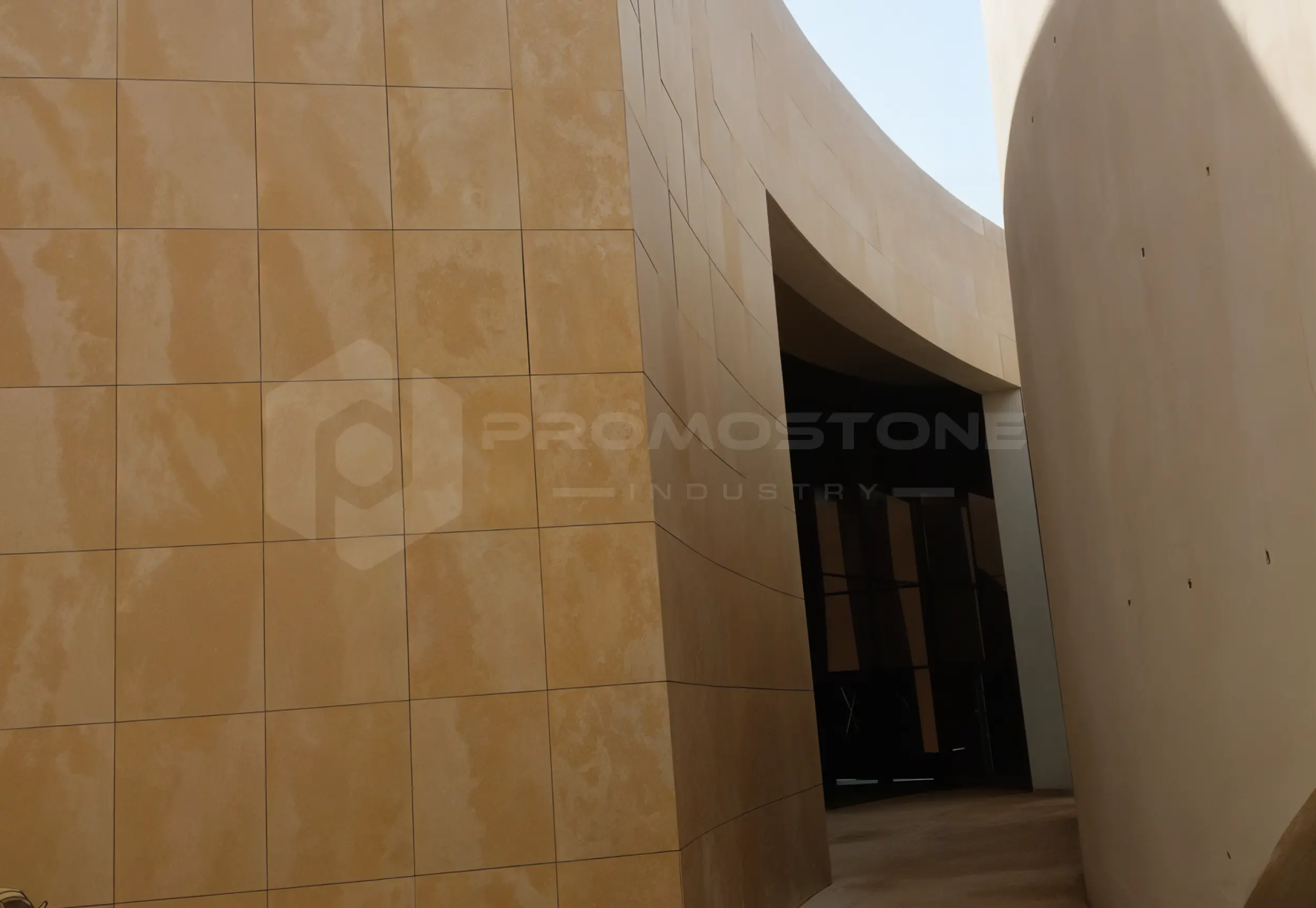
Pierre de Taza une pierre naturelle pour valoriser les façades et les espaces extérieurs
In outdoor development projects, choosing materials plays a key role. Indeed, it directly influences both aesthetics and long-term performance. Thus, Taza stone stands out as a widely used natural material in Morocco.
Moreover, this Moroccan natural stone offers an authentic and elegant appearance. It is often used for façades, terraces, and exterior layouts. Thanks to its natural tones and textures, it allows the creation of harmonious projects adapted to both modern and traditional constructions.
A material that adds character to façades
The façade is the first visible part of a building. Thus, it reflects the architectural style, the quality of the project, and the identity of the space. For this reason, the choice of material remains essential. Taza stone allows achieving a more refined and durable result than standard cladding.
Thanks to its natural texture, Taza stone adds depth to exterior walls. Moreover, it can cover an entire façade or specific strategic areas. It is suitable, for example, for entrances, pillars, side walls, or around door frames. Thus, this partial use creates an elegant contrast without overloading the design.
In addition, it pairs easily with wood, glass, metal, or concrete. Therefore, it creates a balanced and contemporary result. It also enhances the architectural aspect of the project while preserving a natural touch.
A solution suited to outdoor developments
Outdoor spaces require strong and durable materials. Indeed, they are exposed to sun, rain, dust, and temperature variations. Over time, these factors can affect the appearance of surfaces. That is why Taza stone represents a reliable and effective solution.
It is ideal for projects that require both aesthetics and resistance. Moreover, it can be used in various outdoor areas. It adapts to terraces, pathways, stairs, and garden walls. It is also suitable for edges and areas around a swimming pool.
Thus, its natural finish helps create a harmonious atmosphere. This stone is particularly suitable for villas, gardens, and high-end projects. In addition, its main advantage lies in its versatility. It can bring an authentic look to traditional spaces while enhancing the simplicity of modern designs.
The importance of choosing the right finish
The finish directly affects both the appearance and the use of Taza stone. For façades, a textured finish can highlight the relief of the stone. Thus, it creates a stronger architectural effect. This type of result is suitable for decorative walls, entrances, and exterior cladding.
However, for floors, terraces, or walkways, the choice must be more technical. It is important to select a finish adapted to foot traffic. In addition, a suitable finish improves grip and user comfort. It also ensures a more functional result for everyday use.
Moreover, the format also plays an important role. Large slabs create a more modern and clean look. In contrast, irregular formats offer a more natural and artisanal style. Therefore, the choice depends on the type of project, the desired ambiance, and the installation environment.
Beige or grey Taza stone: two different styles
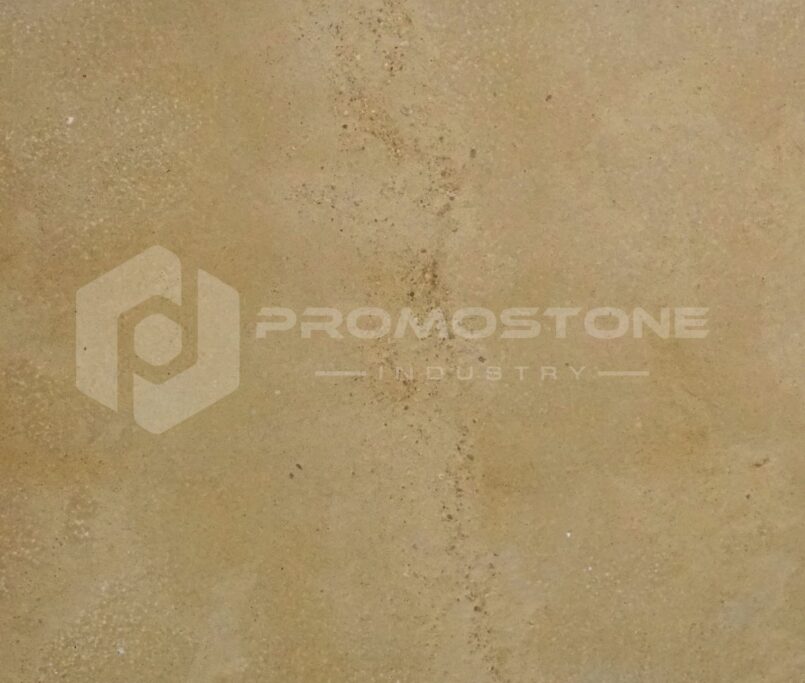
Taza stone can offer different visual results depending on its shade. On one hand, beige tones create a bright and warm atmosphere. Thus, they are perfectly suited for villa façades, terraces, and gardens. They are also ideal for projects that aim for a natural and welcoming look.
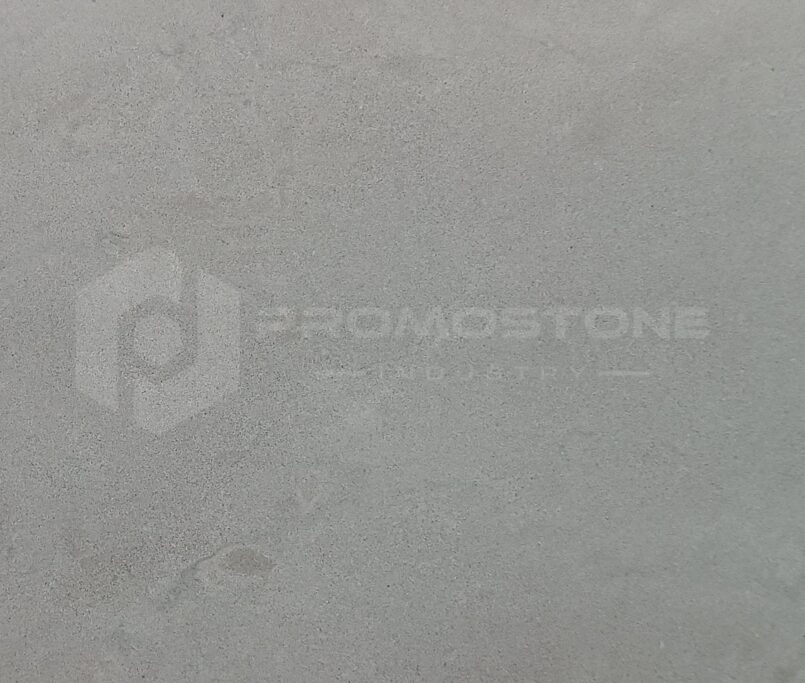
On the other hand, grey tones provide a more sober and contemporary effect. In addition, they integrate perfectly into modern architecture. They combine easily with black joinery, white walls, or metallic elements. This choice allows achieving a minimalist and elegant style.
Thus, the choice between beige and grey mainly depends on the identity of the project. Indeed, a lighter tone can visually enlarge the space. In contrast, a darker tone enhances contrast and can add more character to the façade.
Properly maintaining your project after installation
Before using Taza stone, it is important to analyze several factors. First, the location, exposure, and level of traffic must be considered. The architectural style should also be taken into account from the beginning. Thus, a stone used on a façade does not face the same constraints as one installed on the ground.
It also does not have the same requirements around a swimming pool. That is why each use requires a specific approach. In addition, it is recommended to check the thickness and the uniformity of the pieces. Indeed, the quality of the cut directly affects the final result.
These details are important, especially for large surfaces. A good selection allows achieving a cleaner installation. It also ensures better visual harmony. Finally, the installation must be carried out with care.
Even a high-quality natural stone can lose its effect if it is poorly installed. That is why joints, alignment, and surface preparation remain essential. They directly influence both the durability and the aesthetic of the final result.
Properly maintaining your project after installation
Like any natural material, Taza stone requires proper maintenance. Indeed, regular cleaning helps preserve its color and texture. In addition, it maintains its natural mineral appearance. It is recommended to use gentle cleaning products.
Aggressive solutions can damage the surface of the stone. Moreover, in highly exposed areas, a suitable treatment may be necessary. It can help protect the stone from certain stains and also reduce dirt buildup.
However, this step depends on the intended use and the project environment. For a terrace, pathway, or poolside area, professional advice is recommended. Thus, it becomes easier to choose the most suitable solution.