The most used natural stones in Morocco: guide to natural stone
Natural stone occupies an important place in architecture and construction in Morocco. For centuries, artisans have used this material to create solid and aesthetic buildings. Thanks to its durability and natural appearance, stone remains a highly appreciated solution for both modern and traditional projects.
In Morocco, several types of natural stones are commonly used for facades, floors, and stairs. Each stone has specific characteristics that make it suitable for different architectural uses.
Why choose natural stone
Natural stone offers several advantages for construction projects. First of all, this material provides excellent durability. Natural stones can withstand many years while maintaining their original appearance.
In addition, natural stone brings a unique style to spaces. Each stone features different textures and colors.
Finally, natural stone integrates perfectly into both traditional and contemporary architecture.
Marble, a very widely used natural stone
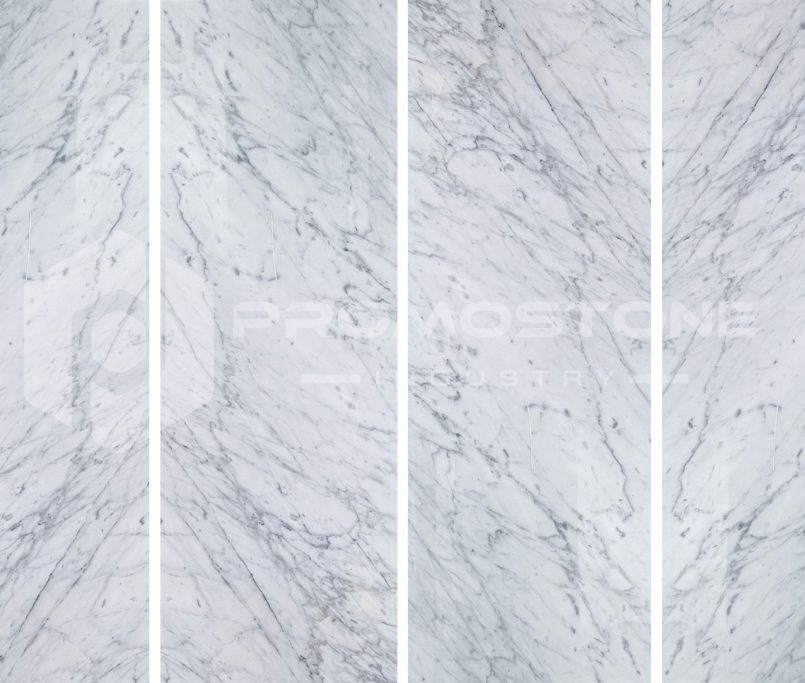
Marble is one of the most used natural stones in Morocco. Indeed, this stone is distinguished by its elegant veins and smooth surface.
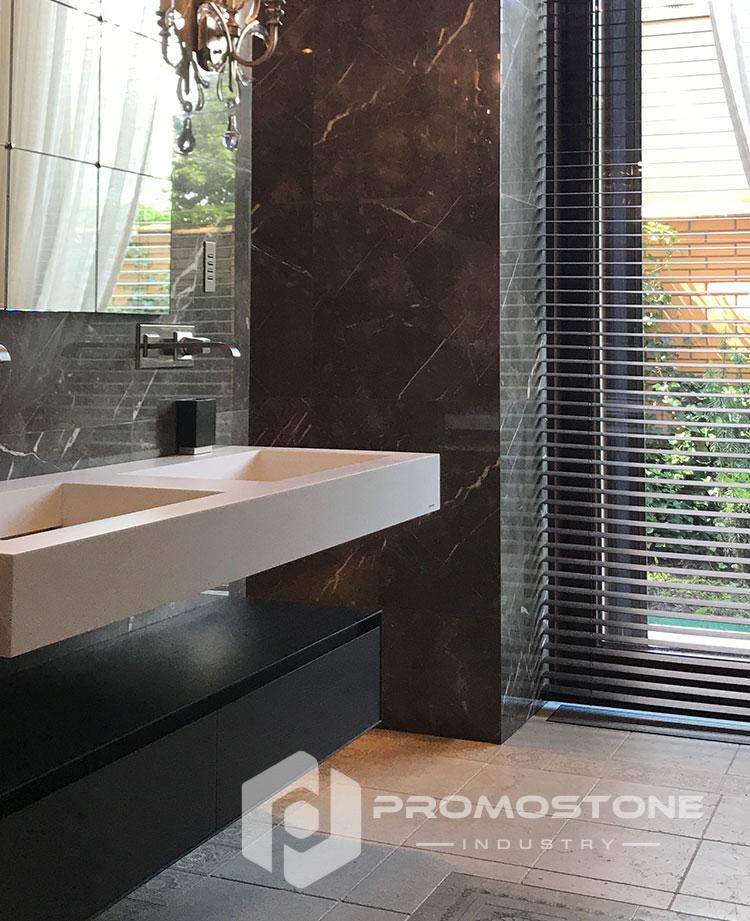
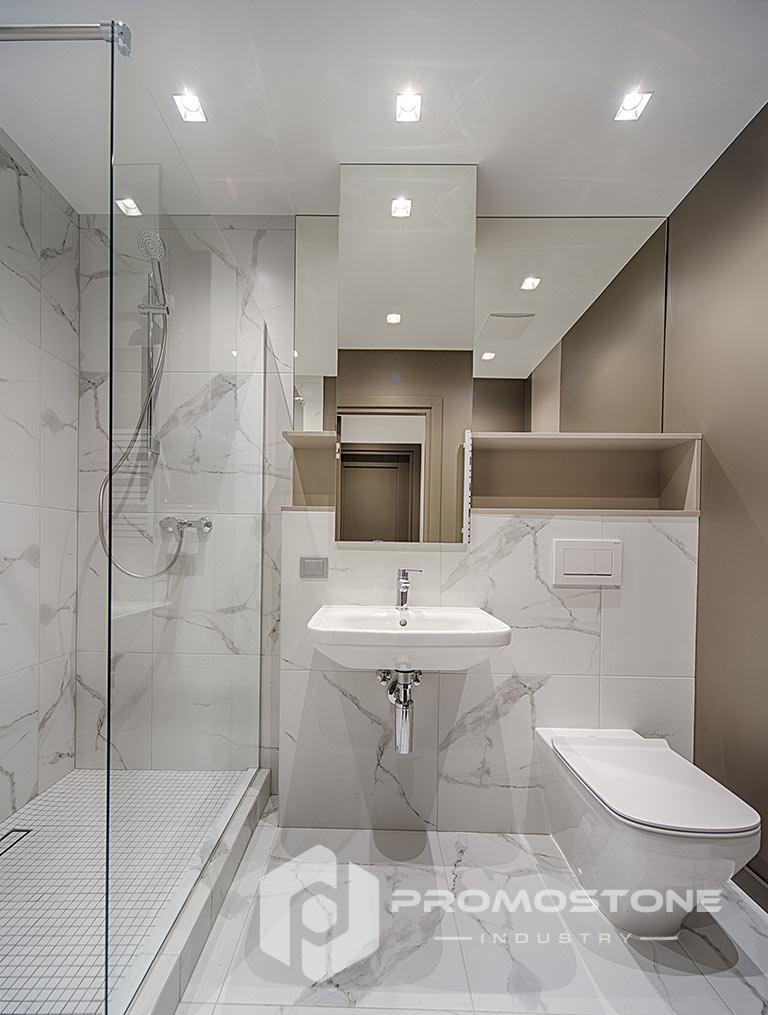
Architects often use marble for floors, stairs, or bathrooms. Thus, marble adds a luxurious touch to interior design projects.
Travertine, an elegant natural stone
Travertine is also a very popular natural stone. Moreover, this stone has a unique texture and warm tones that suit different architectural styles.
In Morocco, professionals often use travertine for floors or terraces. As a result, this material integrates well into modern projects.
Granite, a durable natural stone
Granite is among the most resistant natural stones. In fact, this natural stone withstands impacts and temperature variations very well.
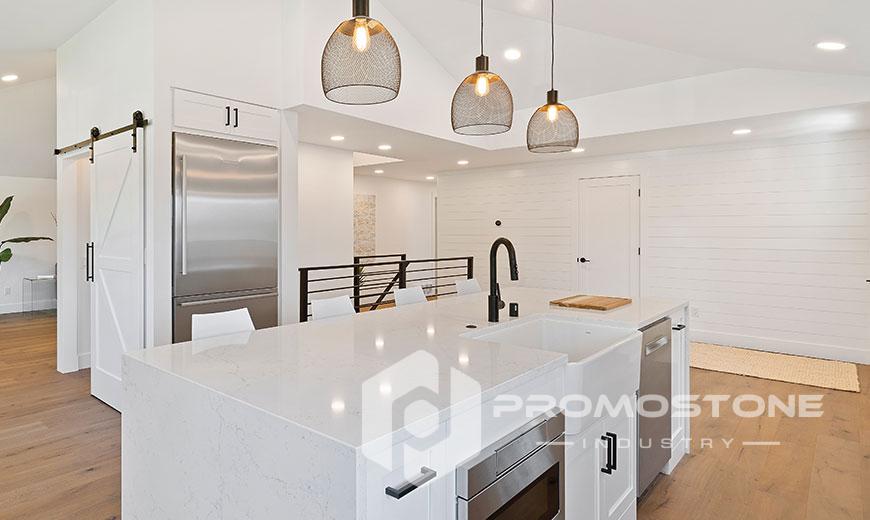
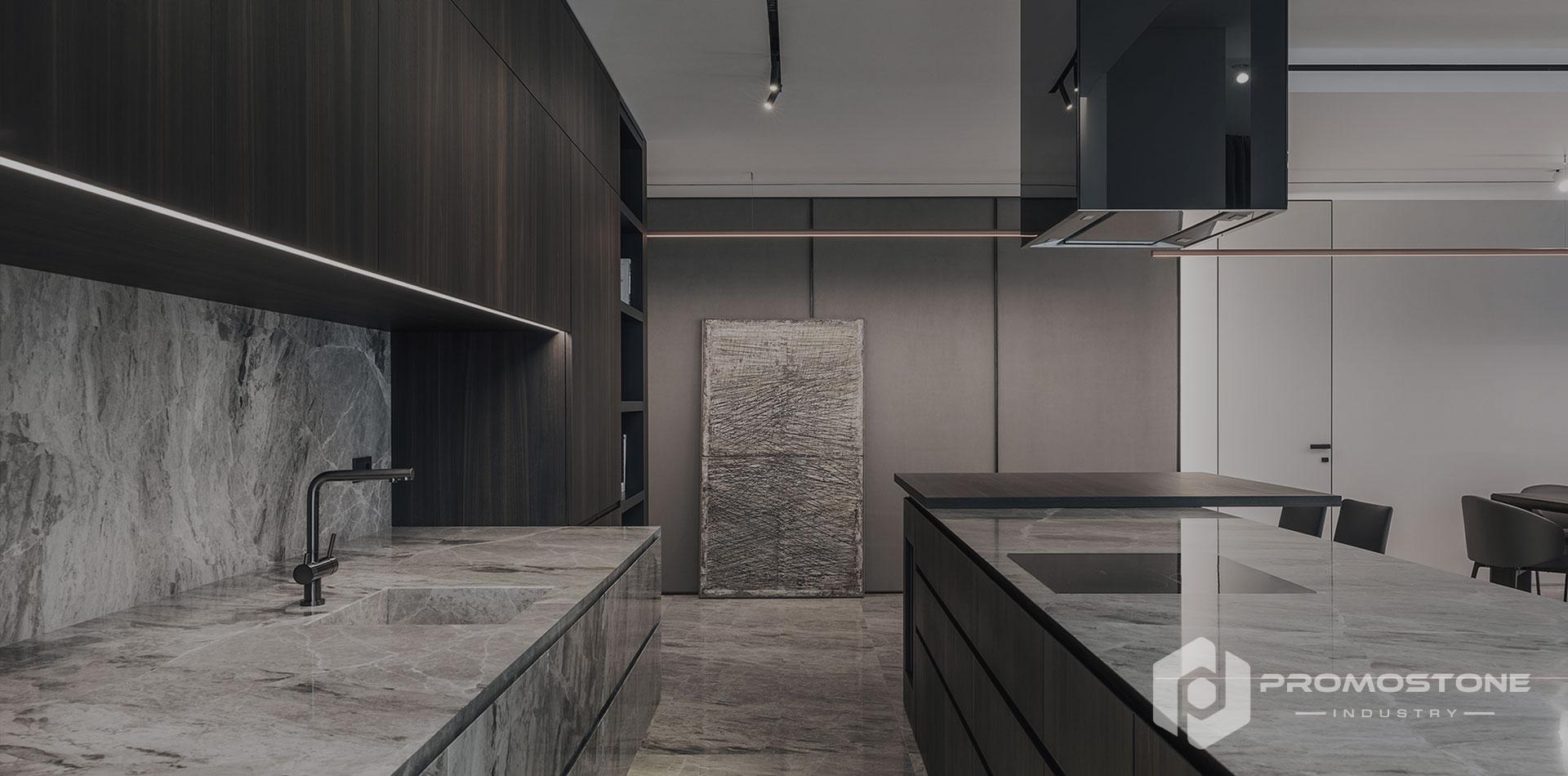
For this reason, architects frequently use granite in kitchens or for worktops.
Natural stone in Moroccan architecture
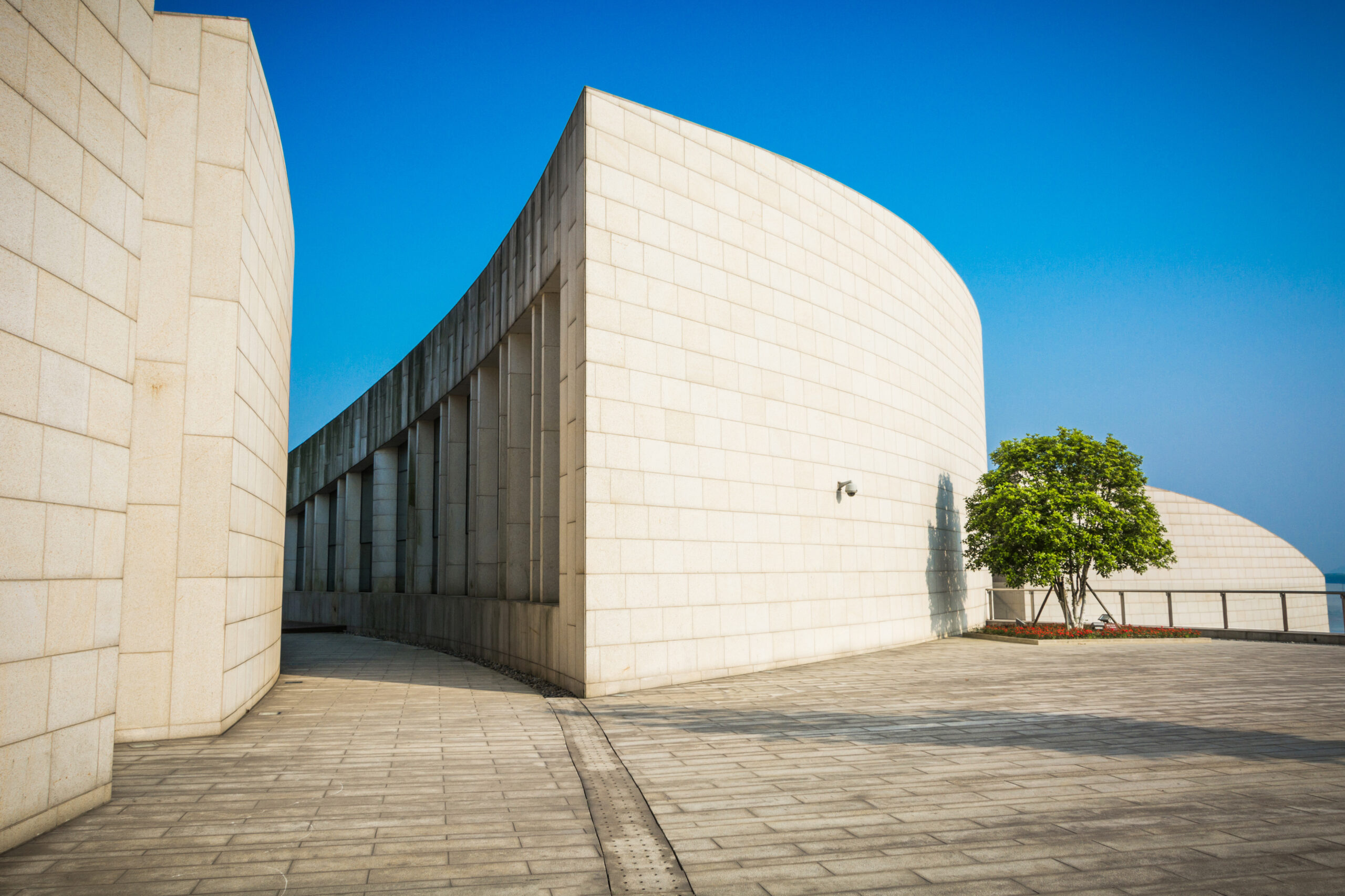
In Moroccan architecture, natural stone plays an essential role. Artisans use this material for facades, floors, and many decorative elements.
Today, architects continue to integrate natural stone into modern projects in order to preserve the authenticity of constructions.