




Mistakes to Avoid When Choosing Marble
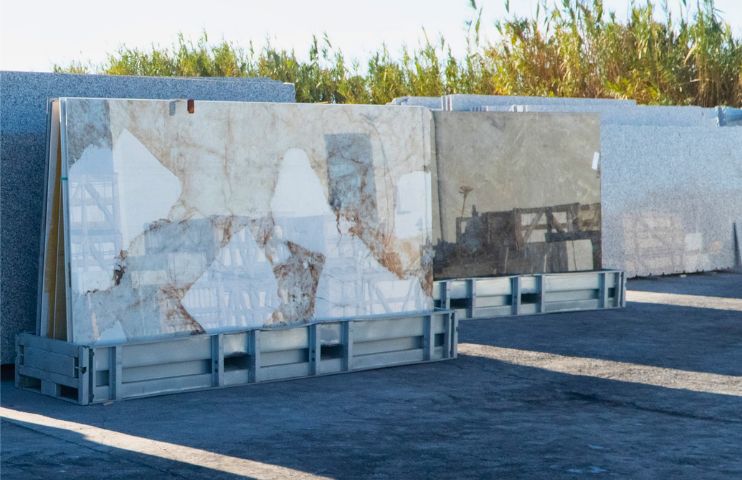
Marble remains one of the most appreciated natural stones in design and construction projects. Its elegance explains a large part of its popularity. Its wide range of colors and timeless appearance are also major advantages. This stone is widely used in both residential and commercial spaces. Moreover, it allows the creation of refined and sophisticated designs. Its natural appearance enables it to blend easily into various architectural and decorative styles.
Moreover, choosing marble should not be based solely on its visual appearance. Several criteria must be considered to achieve a result that meets the requirements of the project. Certain mistakes can affect durability, maintenance, and the overall harmony of the design. A careful evaluation of the available options makes it easier to select the most suitable marble for each application.
Why Is It Important to Choose the Right Marble?
The choice of marble directly influences the final outcome of a project. This natural stone is available in many colors, finishes, and textures. Each variety has its own characteristics and is suited to specific applications. A proper selection helps achieve a result that is both harmonious and well adapted to the intended use.
Moreover, well-chosen marble enhances the overall appearance of a space. It facilitates the integration of different materials and contributes to creating a more coherent environment. This approach also helps increase the long-term value and durability of the project.
Mistake 1: Choosing Marble Only for Its Appearance
Visual appeal is often the first selection criterion. However, color and veining should not be the only factors taken into account. Some marbles are better suited to specific applications, while others respond more effectively to particular technical requirements.
Moreover, it is important to evaluate the material’s performance before making a decision. Resistance, maintenance requirements, and usage conditions should all be carefully considered. This analysis helps avoid potential issues after installation and makes it easier to choose the most suitable solution.
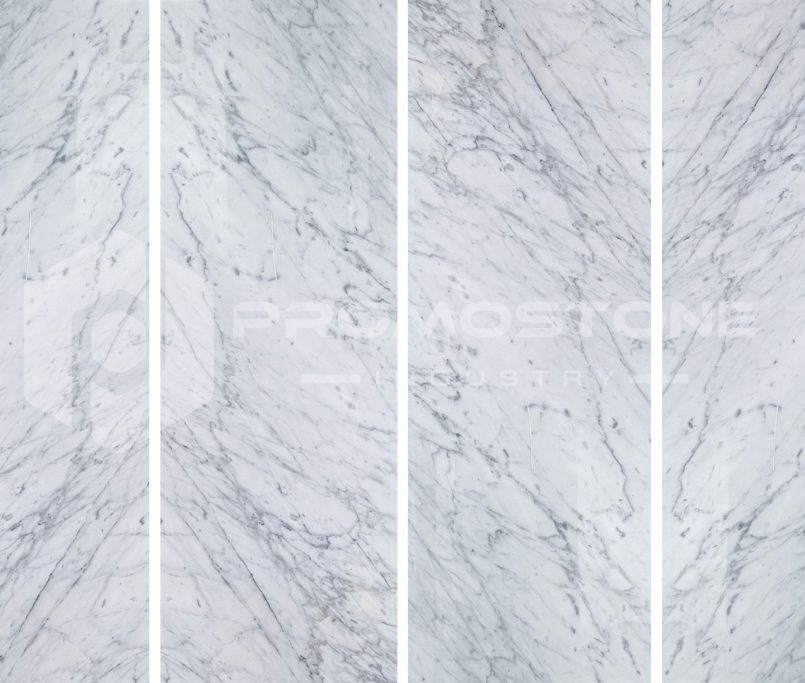
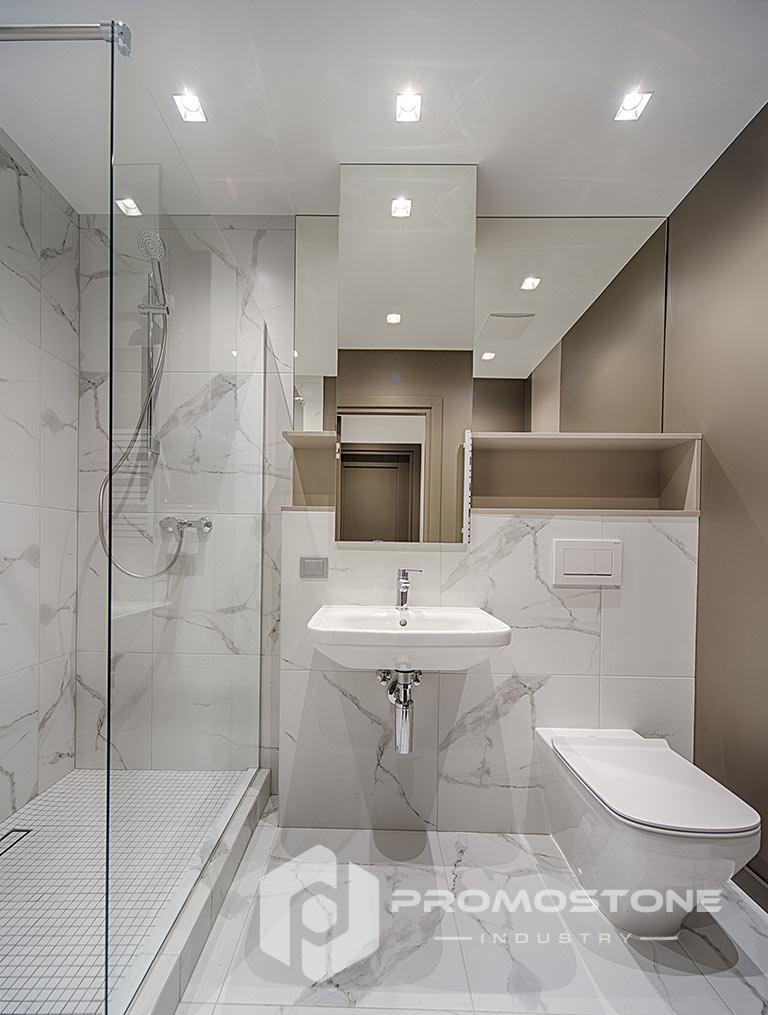
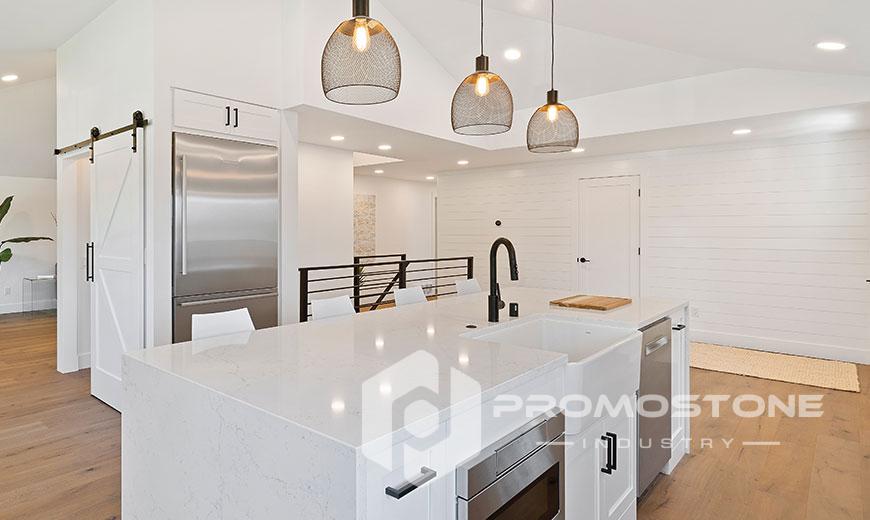
White marble is appreciated for its bright and elegant appearance. It creates a feeling of openness while bringing a refined atmosphere to spaces. This color remains highly popular in contemporary projects. Its light appearance highlights decorative elements and enhances the brightness of interiors.
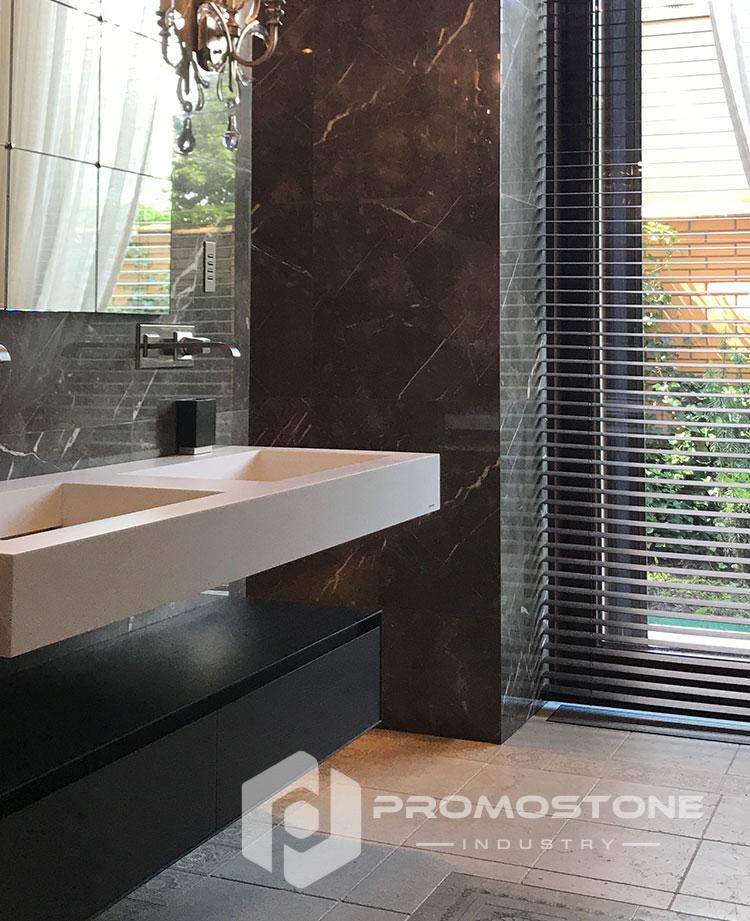
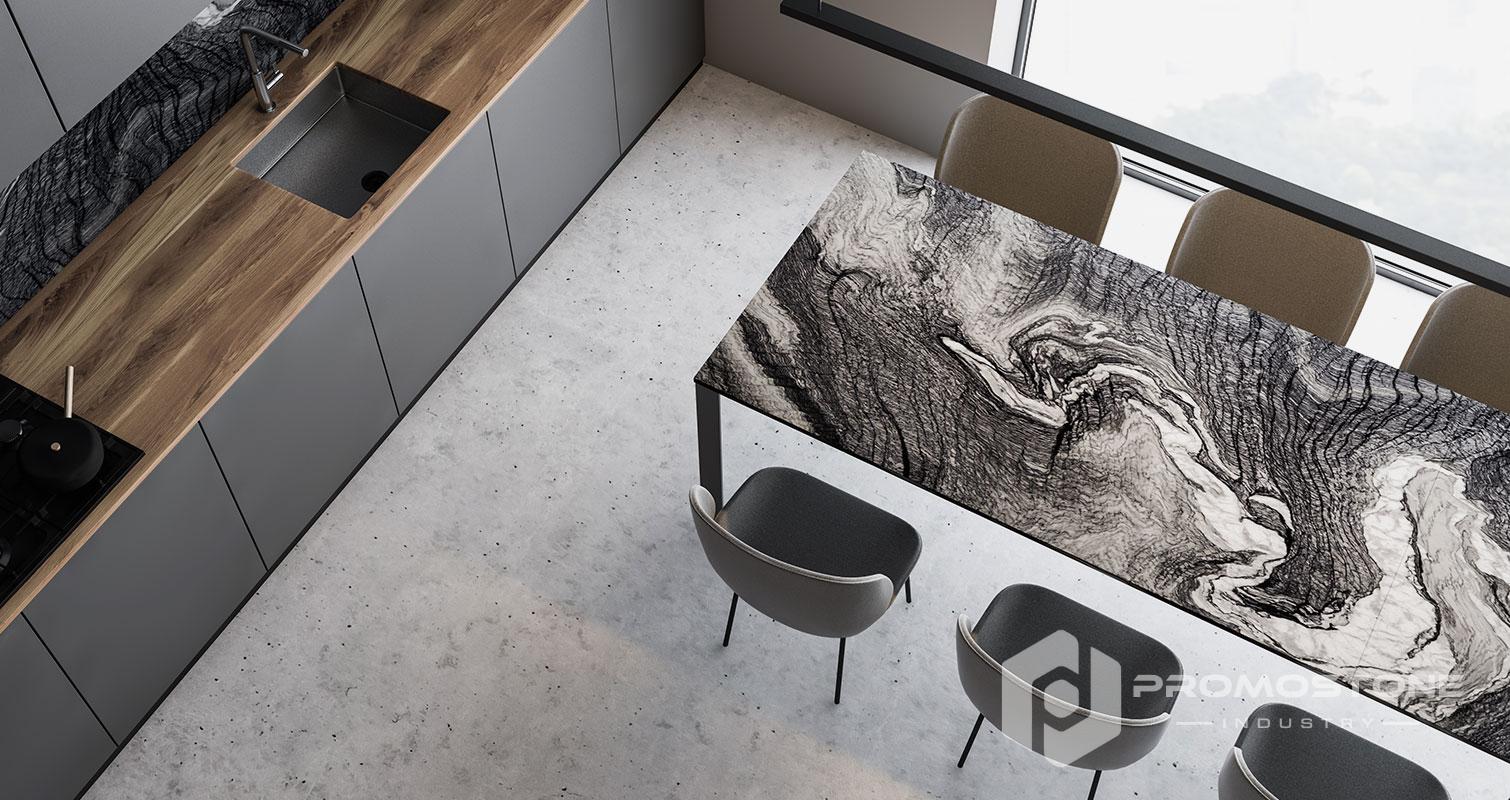
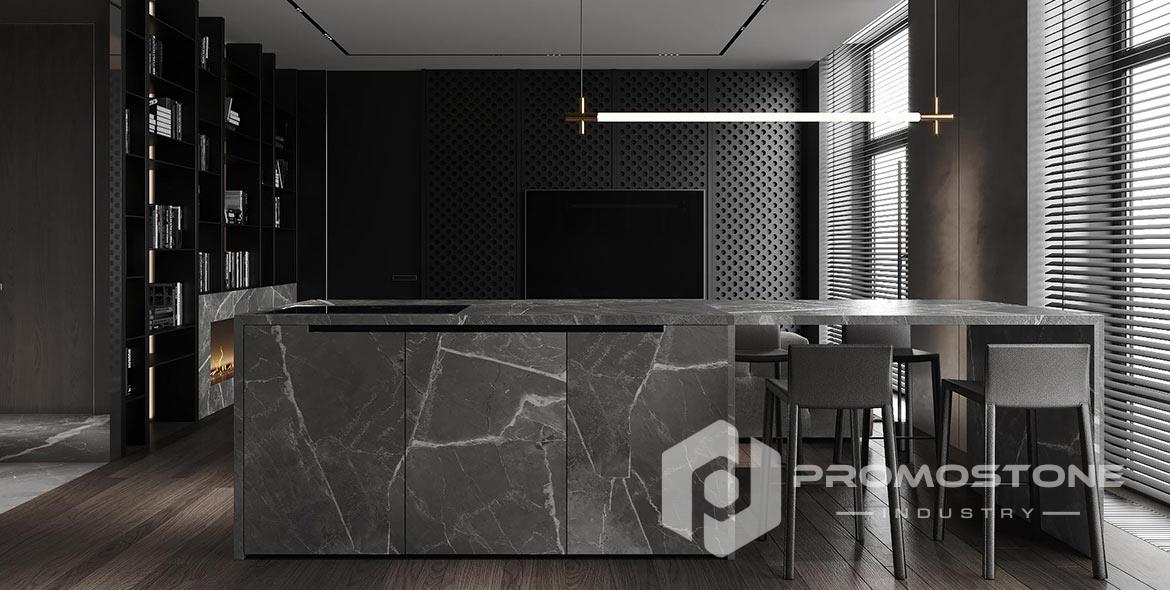
Black marble stands out for its elegant character and strong visual impact. This color creates remarkable contrast and adds a sense of prestige to a project. Its sophisticated appearance remains particularly appreciated in modern and high-end developments.
Mistake 2: Overlooking the Intended Use
Every space has its own requirements. Marble suitable for a wall is not always the best choice for a floor or countertop. The intended use should always be considered before selecting a specific variety. This step helps avoid many common mistakes.
Moreover, areas exposed to intensive use often require more resistant materials. The needs of a kitchen differ from those of a bathroom. Taking these factors into account helps ensure that the selected marble is suited to real usage conditions.
Bathrooms are regularly exposed to water and moisture. The choice of marble should therefore take these conditions into account in order to preserve its appearance over time. A suitable stone helps maintain its aesthetic qualities despite daily use.
The kitchen is exposed to stains and frequent use. It is therefore important to choose a marble that is adapted to this environment. A good selection makes maintenance easier and helps preserve the appearance of the material over the long term.
Mistake 3: Ignoring the Material’s Characteristics
Not all marbles offer the same properties. Some provide better resistance to moisture, while others stand out for their durability or ease of maintenance. These differences can significantly influence the material’s performance over time.
Moreover, understanding the characteristics of marble makes it easier to compare different options. This approach helps identify the advantages of each solution and select the material best suited to the project.
Moisture Resistance
Moisture resistance is an important criterion for certain spaces. This characteristic helps preserve the quality of the material over time. It also reduces the effects associated with regular exposure to water and humidity.
Wear Resistance
High-traffic areas require particular attention. A suitable marble helps maintain an attractive appearance despite regular use. This characteristic contributes to preserving the durability of surfaces and maintaining their visual appeal.
Mistake 4: Failing to Compare Different Finishes
The finish has a major influence on the appearance of marble. A polished finish creates a glossy effect, while a honed finish offers a softer and more discreet look. Each option has its own advantages, and the final result can vary significantly.
Moreover, certain finishes are better suited to specific applications. Comparing several possibilities helps achieve a more accurate understanding of the expected result. This step also makes it easier to select the finish best adapted to the project’s requirements.
Polished Marble
Polished marble offers a smooth and elegant surface. This finish highlights the natural colors of the stone and enhances its veining. Its luminous appearance brings depth to spaces while reinforcing their refined character.
Honed Marble
Honed marble has a softer and more understated appearance. It is particularly suitable for projects seeking elegance without excessive shine. This finish creates a harmonious look while preserving the natural character of the material.
Brushed Marble
Brushed marble retains more of the stone’s natural texture. This finish provides an authentic and distinctive appearance. Its slightly textured surface is highly appreciated in projects seeking a warm and natural atmosphere.
How Can These Mistakes Be Avoided?
The best solution is to carefully analyze the project’s requirements before selecting a marble. The characteristics of the material should be studied with attention. The intended use and surrounding environment should also be taken into consideration. This approach helps avoid many mistakes and facilitates the comparison of available options.
Moreover, it is recommended to take the time to review several references before making a final decision. This process helps identify the most suitable solution and contributes to achieving a more durable and harmonious result.
Why Work with a Professional?
Choosing marble requires a good understanding of the materials available. A professional can guide the project toward the most appropriate options. Their expertise helps take technical constraints into account and ensures that aesthetic objectives are achieved.
Moreover, the support of a specialist reduces the risk of selection mistakes. A well-informed choice leads to a more harmonious result and better meets the project’s requirements. This expertise contributes to achieving a durable, balanced, and perfectly adapted solution.