



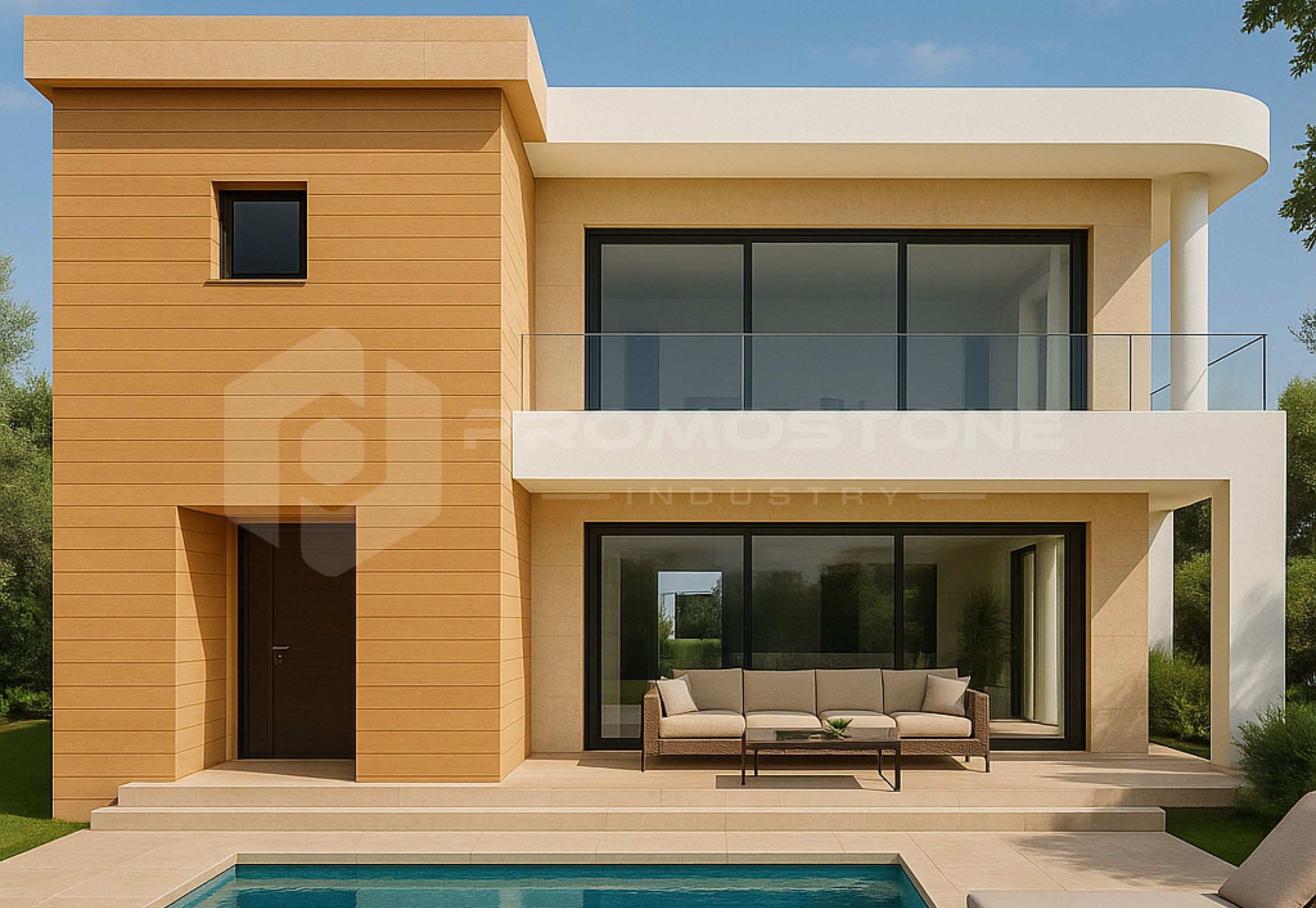
The different types of travertine and their colors
travertine is a natural stone widely used in construction and decoration. However, there are several types of travertine, each with its own characteristics and shades.
Indeed, these variations make it possible to adapt to different styles and projects. Thus, travertine remains a versatile and aesthetic material.
The main types of travertine
Travertine comes in several types depending on its origin, texture, and color. First of all, each variety has specific characteristics that influence its use in projects.
Thus, the choice of travertine type depends on the desired style, the environment, and technical constraints.
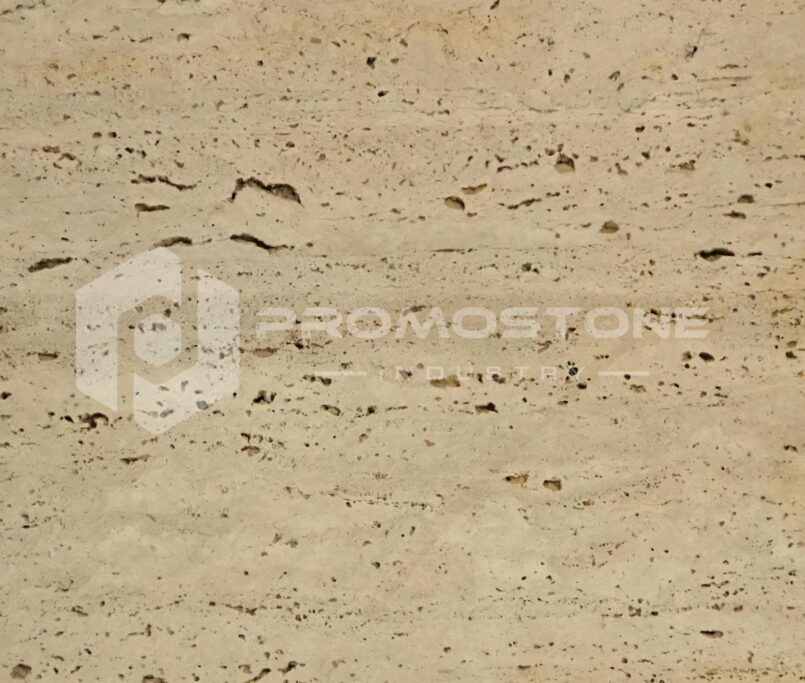
Travertine Noche is characterized by its warm shades ranging from beige to brown, with touches of golden sand. Its natural texture, marked by small cavities, gives it a lively and authentic appearance.
Indeed, this stone helps create warm and welcoming atmospheres. Thus, professionals use it to add character to spaces, whether indoor or outdoor.
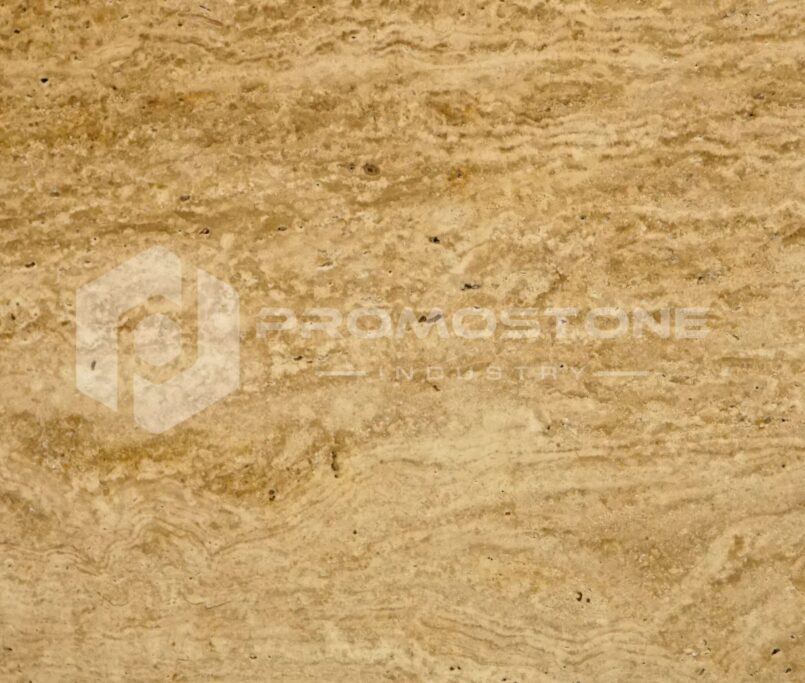
Travertine Bir Jdid is a Moroccan natural stone known for its natural and uniform brown tones. Its warm color, close to wood, gives it a sober and authentic look.
Moreover, the absence of visible veins enhances its raw and natural appearance. Thus, it perfectly suits projects that seek a rustic and timeless atmosphere.
Travertine Volubilis Light stands out with its bright beige-cream tone and subtle veins. This combination creates a delicate and refined texture, ideal for projects that aim for an elegant and minimalist look.
In addition, its light appearance brings a sense of brightness and sophistication. Thus, professionals often use it in both modern and classic designs to enhance spaces.
Travertine colors
Travertine exists in several natural colors. First of all, beige travertine remains the most used thanks to its warm and timeless appearance.
Next, grey travertine brings a modern and discreet style. In addition, brown travertine offers a more rustic and authentic look.
Furthermore, some variations present mixed shades with multiple tones. Thus, these differences make it possible to create varied atmospheres depending on the project.
Travertine is also distinguished by its tone. Light travertine brings brightness and visually enlarges spaces.
On the other hand, dark travertine creates a more contrasted and elegant effect. In addition, it highlights decorative elements.
Thus, the choice between light and dark travertine depends on the desired atmosphere and style.
Use according to type and color
Professionals choose the type of travertine according to its use. For example, lighter tones are suitable for interior spaces.
In addition, darker tones are often used to create contrasts. Thus, travertine adapts to both modern and traditional projects.