




The 4 marble surface finishes
Marble is a natural stone widely used in architecture. It brings elegance and durability to spaces. Its natural veins create a unique style. However, the final appearance of marble depends largely on the surface finish applied to it.
Indeed, the finish modifies the texture of the material. Each treatment influences its visual aspect. Some finishes make the surface smooth, while others give it a more textured appearance.
Thus, architects choose the finish according to the project. Some finishes are suitable for indoor spaces, while others are better adapted to outdoor surfaces.
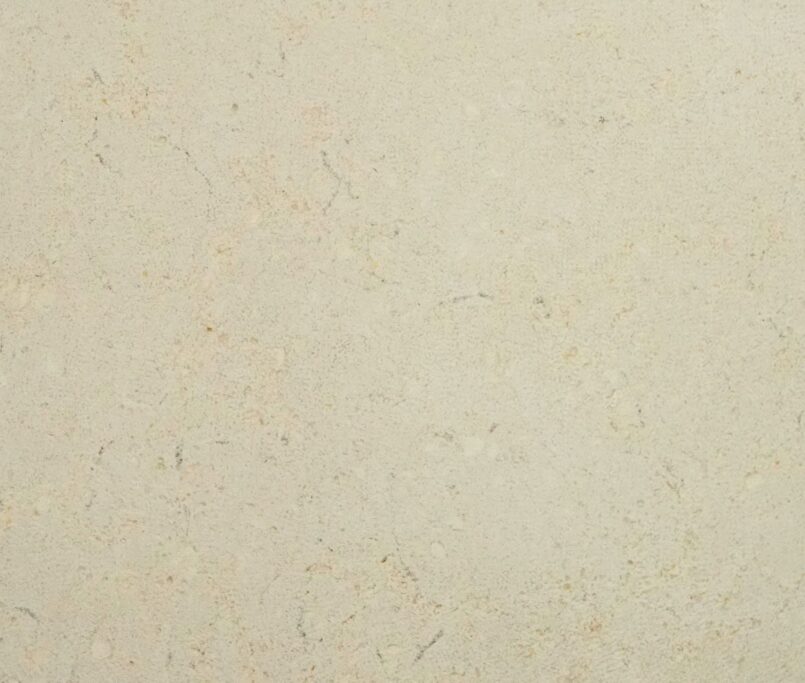
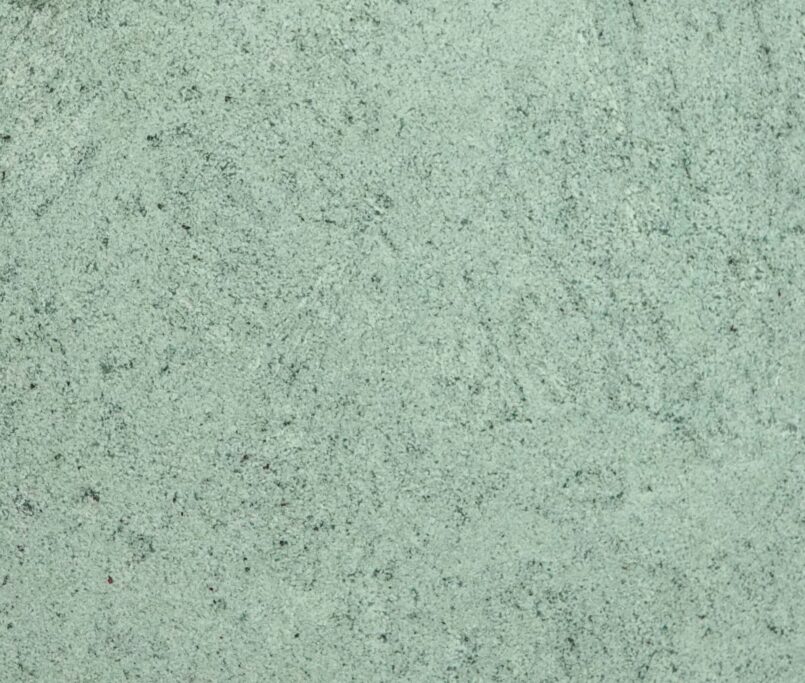
What is a marble surface finish
A surface finish refers to the treatment applied to marble after cutting. Professionals use different techniques to transform the appearance of the stone.
For example, certain finishes make the surface smoother. Others improve slip resistance. Therefore, the finish directly influences the use of marble.
Moreover, natural stone specialists use several techniques to obtain different textures. These methods allow marble to adapt to different architectural projects.
The different types of surface finishes
In natural stone, several finishes exist. Each technique modifies the appearance of marble differently.
Some finishes create a smooth and shiny surface. Others create a rougher texture. Therefore, each project can use a specific finish depending on its needs.
Among the most common finishes are the sandblasted finish, the bush-hammered finish, the aged finish, and the flamed finish.
1 – Sandblasted finish
The sandblasted finish consists of projecting sand at high pressure onto the surface of the stone. This technique creates a slightly rough texture while preserving the natural appearance of marble.
In addition, this finish improves surface grip. As a result, architects often use it for facades, terraces, and outdoor spaces.
2 – Bush-hammered finish
Professionals create the bush-hammered finish using a tool called a bush hammer. This tool strikes the surface of the stone and creates a granular and irregular texture.
In addition, this finish improves surface grip. Therefore, architects often use it for facades, terraces, and certain outdoor floors.
3 – Aged finish
The aged finish gives natural stone an antique and slightly patinated appearance. Professionals soften the edges and the surface to reproduce the effect of time on marble.
Thus, this technique brings a warm and authentic style to spaces. As a result, designers often use it in rustic or traditional architectural projects.
4 – Flamed finish
The flamed finish is obtained by applying intense heat to the surface of the stone. This technique causes certain crystals to burst and creates a rough texture.
Thus, the surface becomes naturally non-slip. In addition, this finish resists outdoor conditions very well, which makes it suitable for terraces and stairs.
How to choose the right surface finish
The choice of finish depends on how the marble will be used. Outdoor surfaces often require more grip.
Thus, sandblasted or flamed finishes are frequently preferred.
However, for decorative projects, other finishes can better highlight the natural beauty of the stone.