




Granite or Marble: Which Material Should You Choose for Your Project?
When choosing a natural material for interior or exterior design, many people hesitate between marble and granite. These two natural stones are among the most popular in architecture. They are often used in kitchens, bathrooms, and even building facades.
Moreover, these materials offer both an elegant aesthetic and excellent durability. However, several differences exist between marble and granite. For example, their appearance, resistance, and uses are not always the same.
Understanding these differences makes it easier to choose the material best suited to your project and your needs.


Difference Between Marble and Granite
Marble Marble and granite are both natural stones widely used in construction and decoration. However, their origins and characteristics differ.
Marble is a natural stone formed under pressure and high temperatures. It is appreciated for its natural veins and elegant appearance. In many decorative projects, marble creates a refined and luxurious style.
Granite, on the other hand, is a magmatic rock known for its strength. It is particularly appreciated for its durability and resistance to humidity. Thanks to its composition, granite generally offers greater resistance than marble.
Thus, the main difference between marble and granite lies in their structure and appearance.
Advantages of Moroccan Marble
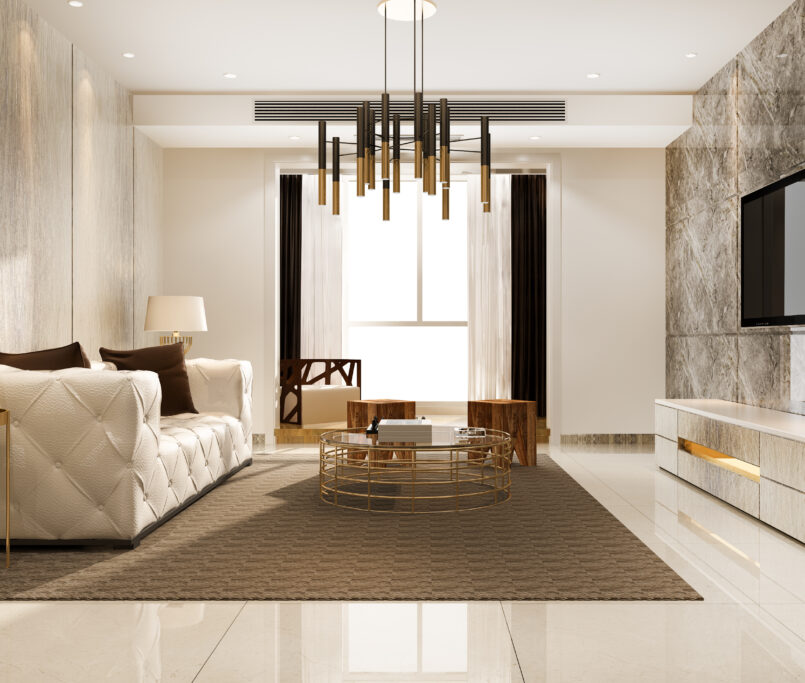
Marble is one of the most widely used natural stones in architecture and decoration. Architects and designers often choose it for high-end projects thanks to its elegance.
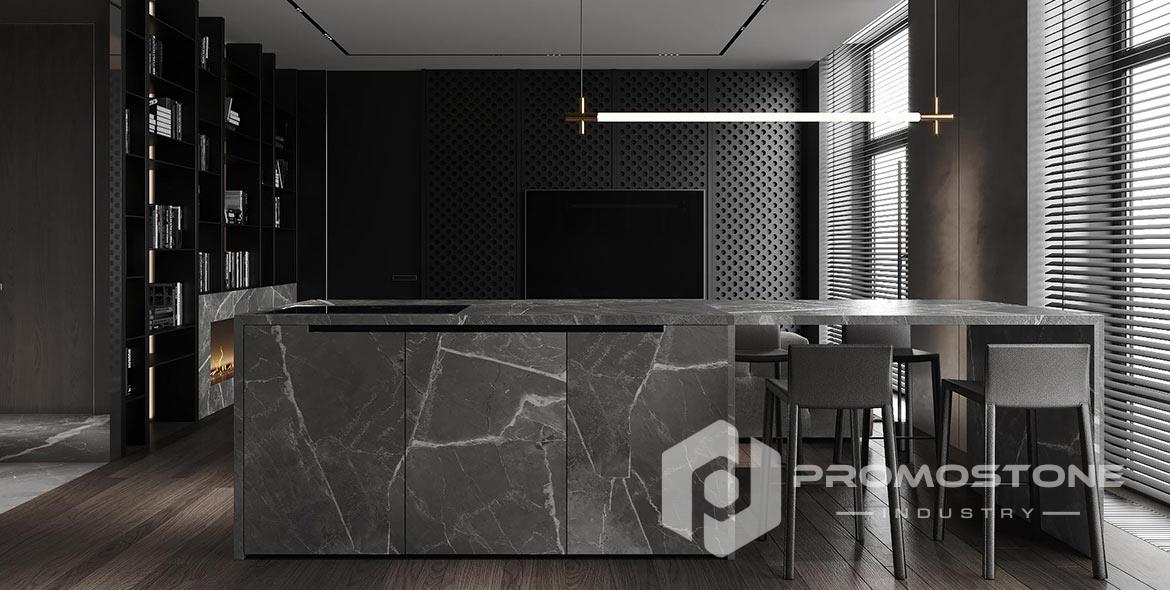
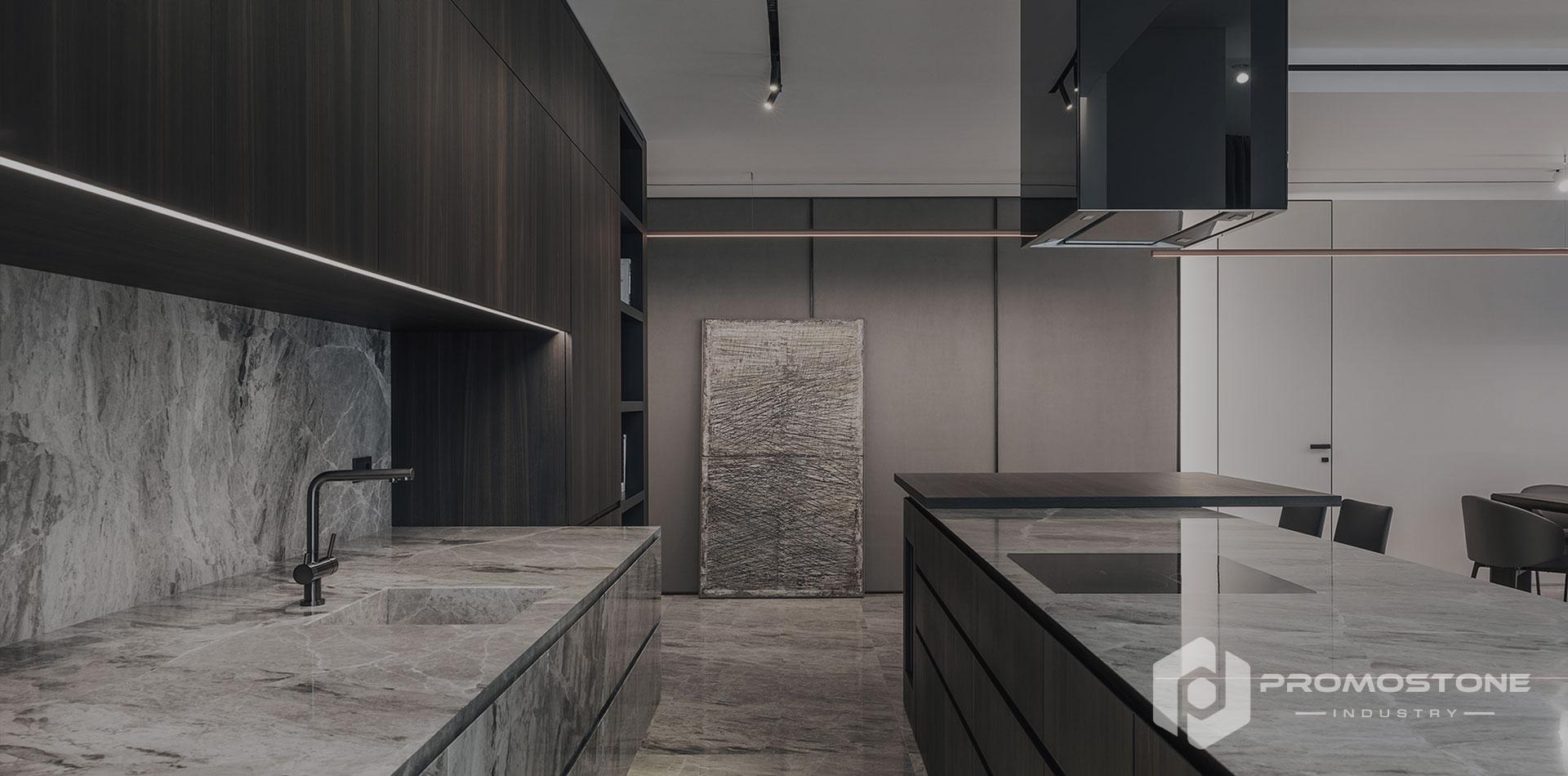
Marble offers a wide variety of colors and textures. For example, beige marble and grey marble are very popular in interior design.
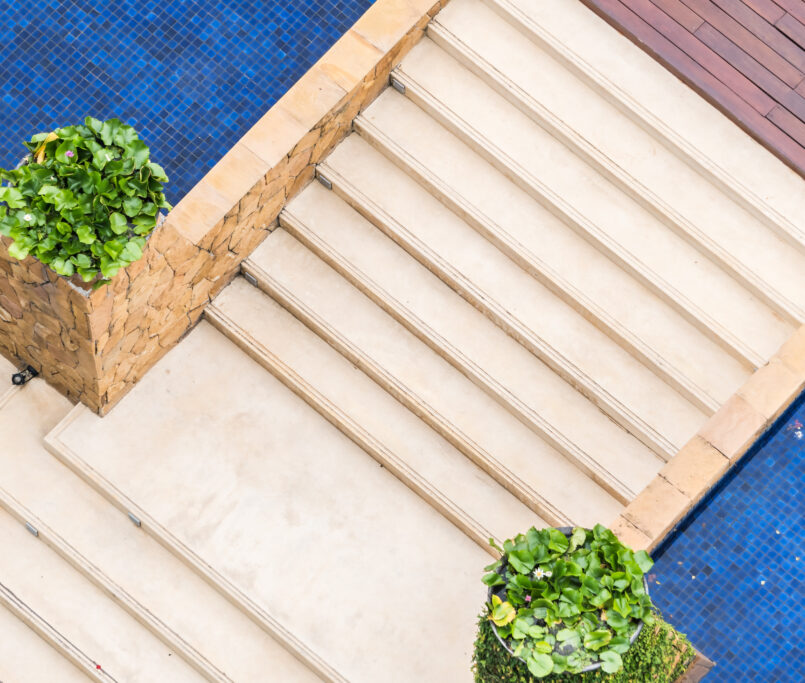
In many interior design projects, marble can be used in several architectural elements:
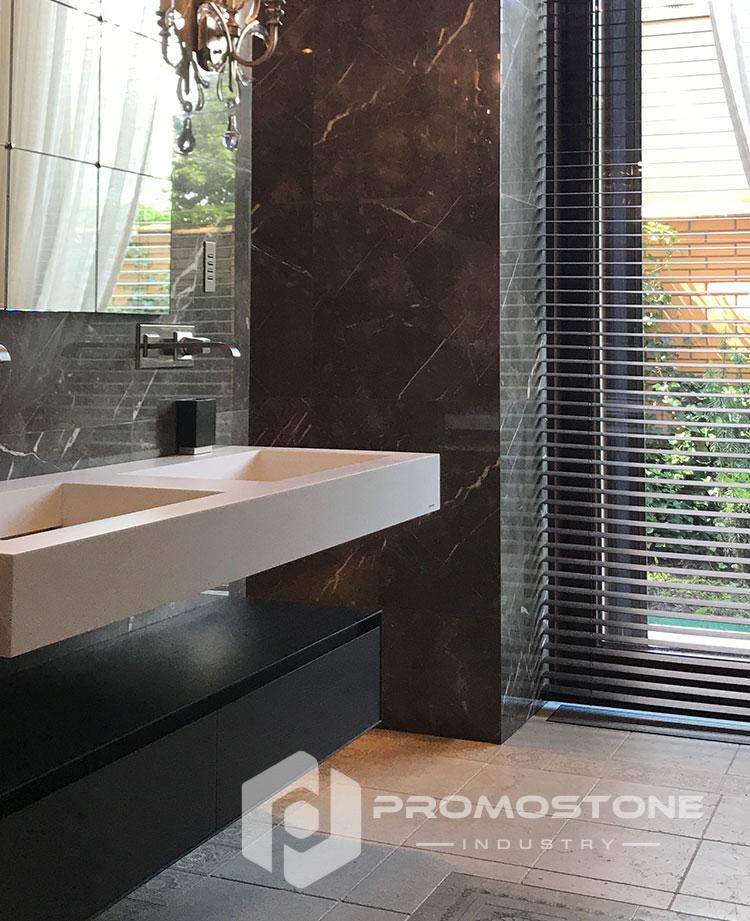
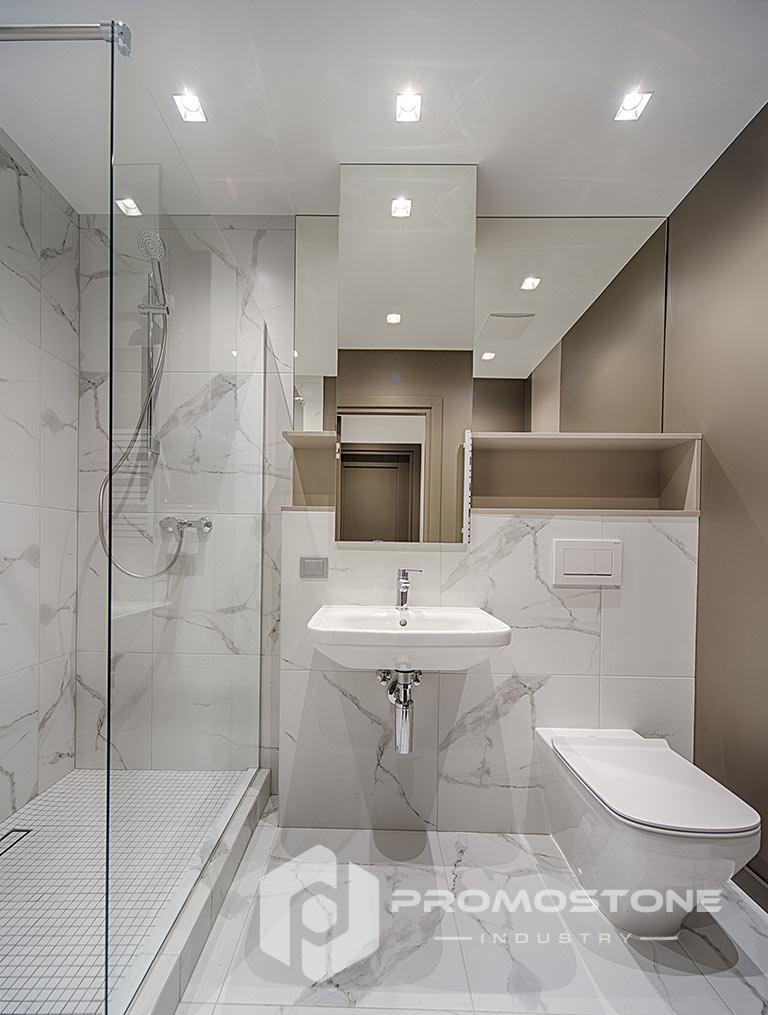
marble bathrooms
marble staircases
natural stone facades
decorative wall coverings
In addition, marble brings a feeling of luxury and elegance to any space. For this reason, it is often used in hotels and luxury villas.
Advantages of Granite
Granite is one of the most resistant natural stones used in construction. Professionals often choose it for surfaces that require high durability.
Granite is harder than marble, which makes it more resistant to shocks, scratches, and heavy use. For this reason, many projects use granite in highly used areas.
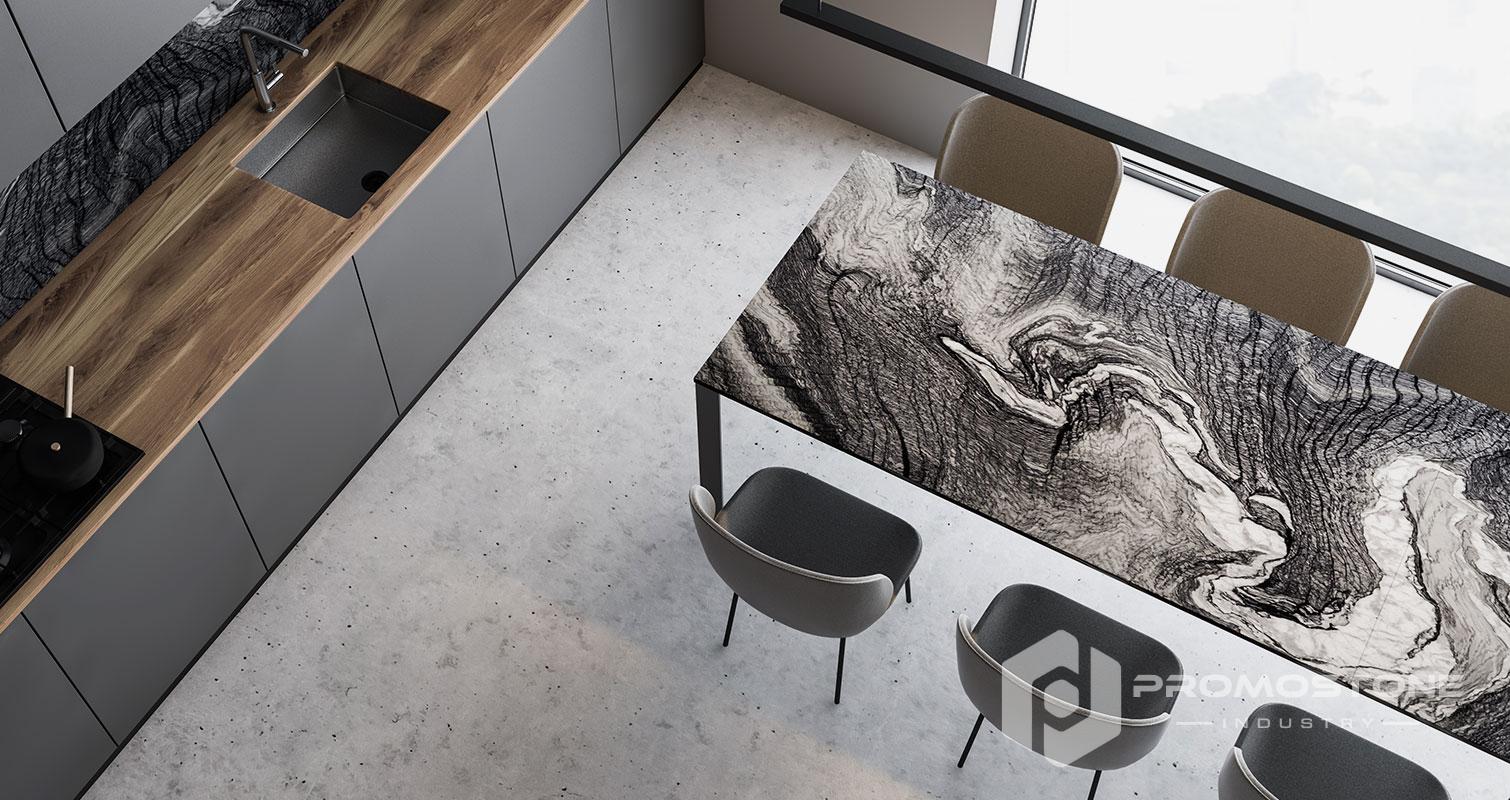
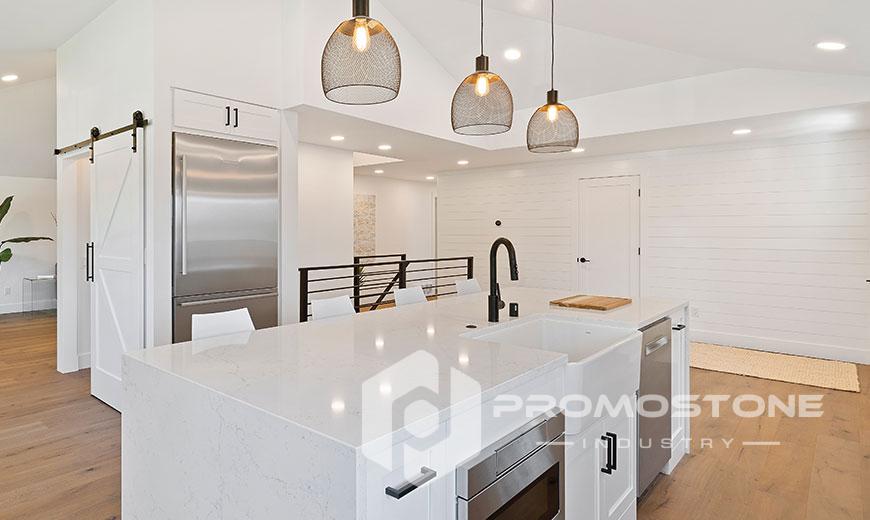
For example, modern kitchens often use granite for countertops. This material withstands humidity and cleaning products very well, making it ideal for kitchens.
Moreover, many designers choose granite for its contemporary and elegant style. It can be used in modern kitchens, countertops, and certain facades.
Granite or Marble for the Kitchen?
The kitchen is one of the most important spaces when choosing between granite and marble. A countertop must combine both aesthetics and durability.
In many architectural projects, granite is often preferred for kitchen countertops. Thanks to its hardness, it resists heat, scratches, and humidity very well.
Marble countertops, on the other hand, offer exceptional aesthetic appeal. Designers often choose marble for high-end kitchens because of its elegant and luxurious appearance.
Thus, the choice between granite and marble for the kitchen mainly depends on your priorities: durability or aesthetic elegance.
Granite or Marble for the Bathroom?
In bathrooms, architects and designers often choose marble because of its elegant appearance. Marble is widely used for sinks, walls, and bathroom floors.
In addition, many projects also use granite for floors or decorative elements. Thanks to its resistance to humidity, this material adapts well to wet environments.
Thus, in bathroom design, the choice between granite and marble depends on the style and atmosphere you want to create.
Which Material to Choose: Granite or Marble?
The choice between granite and marble mainly depends on the needs of your project.
If you are looking for a natural stone that is elegant and decorative, marble is an excellent choice. It creates a refined and luxurious style in both interior and exterior spaces.
On the other hand, if your priority is resistance and durability, granite is often the most suitable option. It withstands difficult conditions and requires less maintenance.
In many projects, both materials complement each other perfectly and remain among the most widely used natural stones in construction and design.