





Marble cutting and machining: techniques and applications in natural stone
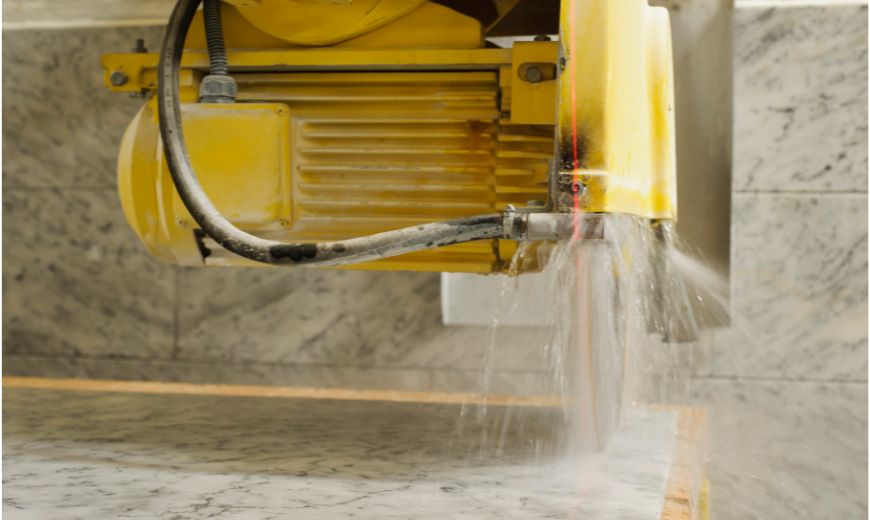
In the natural stone industry, professionals use specialized machines to transform marble with great precision. These machines make it possible to cut stone and shape its surfaces.
Indeed, these machines often combine several functions such as cutting and finishing. For example, workshops use diamond wire saws and CNC cutting machines.
In addition, polishing equipment allows the surface of the stone to be refined. Thus, companies can produce marble pieces that are precise and adapted to architectural projects.

What is marble cutting
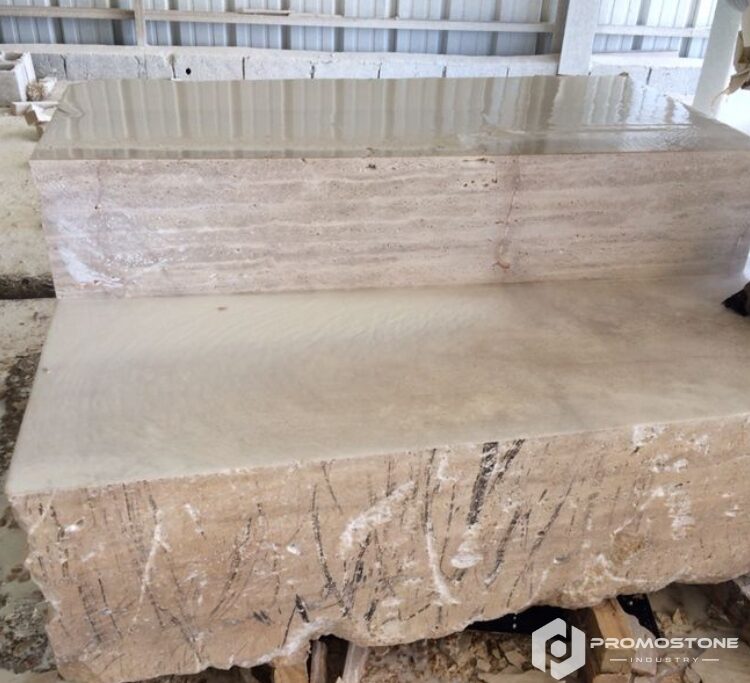
Cutting is the first stage in transforming natural stone. Professionals cut marble blocks extracted from quarries into slabs or tiles of different thicknesses.
This operation is carried out using specialized machines capable of cutting the stone with high precision. As a result, the cutting process produces pieces adapted to different uses in architecture and construction.
In addition, this stage facilitates the transport and handling of marble before finishing operations.
Machining natural stone
After cutting, professionals move on to the machining stage. This stage allows them to work the stone and give it its final shape.
For example, machining includes several operations such as precise cutting, drilling, and edge shaping. Professionals may also polish the surface to improve the appearance of the stone.
Thus, these techniques transform marble into decorative or functional elements used in many architectural projects.
Applications of cutting and machining
Cutting and machining marble make it possible to produce various elements used in interior and exterior design.
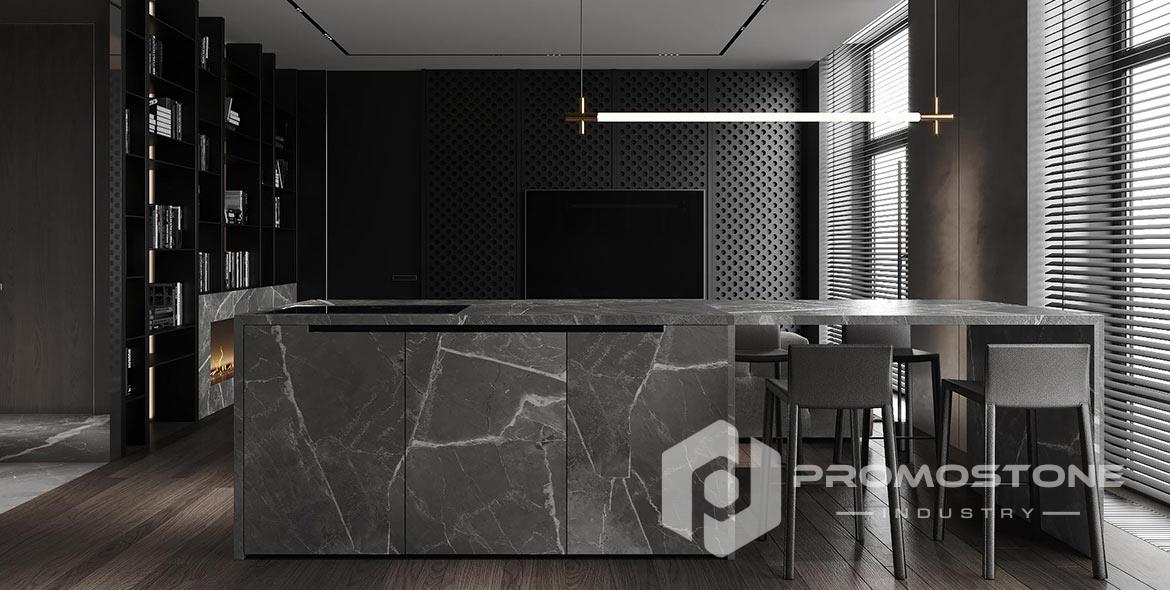
1 – Marble countertops
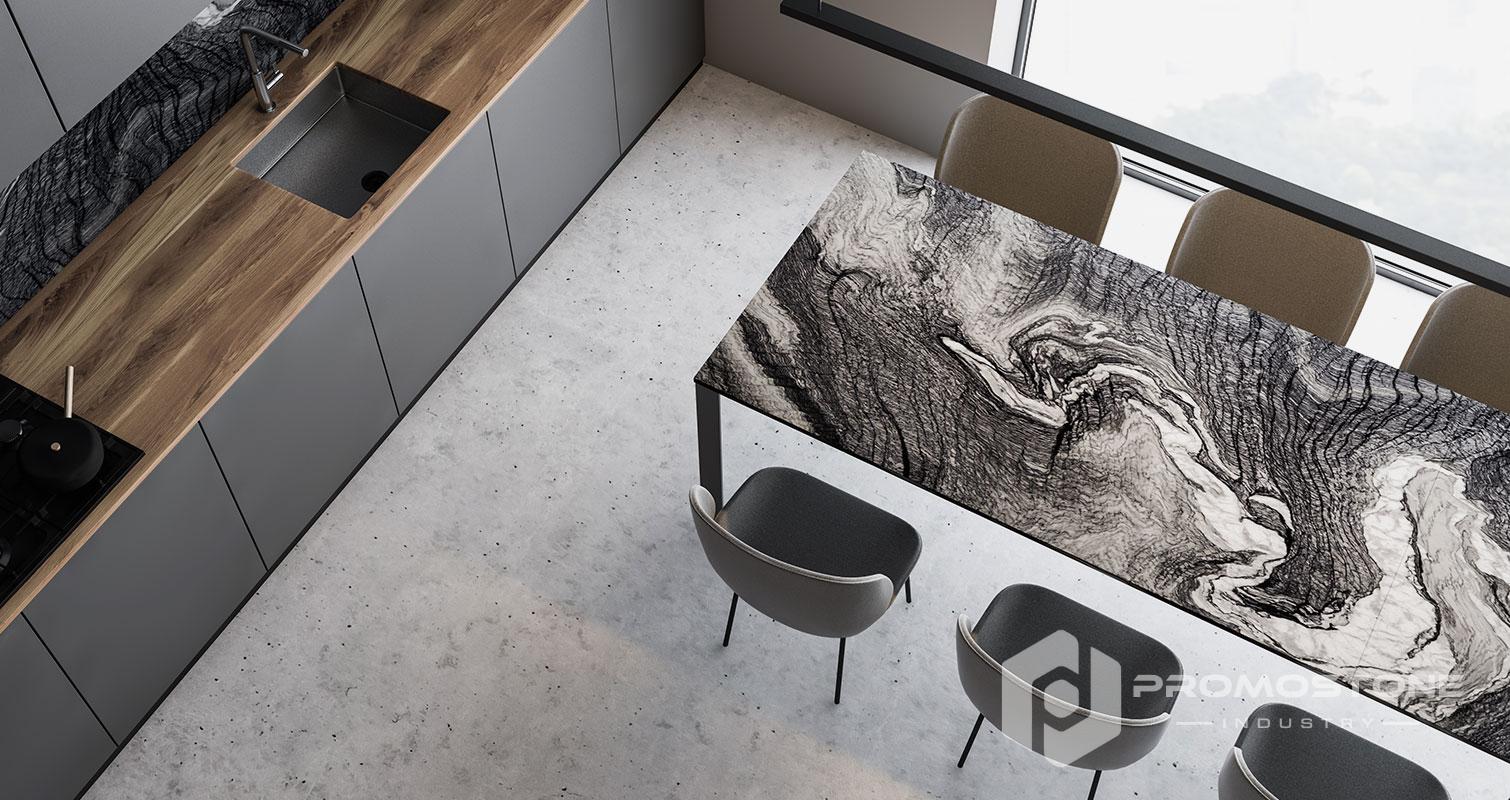
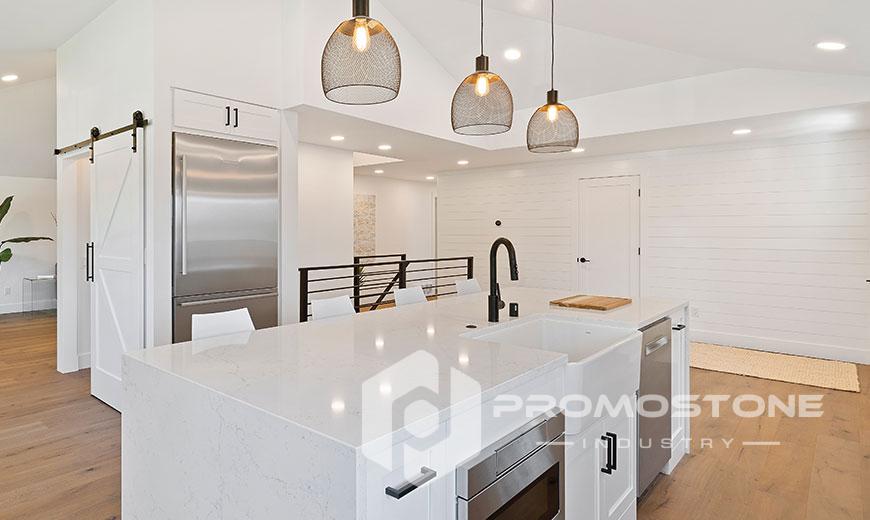
In kitchens, professionals can cut marble according to the exact dimensions required. This allows the creation of durable and elegant worktops.
2 – Natural stone stairs
Cutting and machining also make it possible to shape marble stairs or steps with great precision.
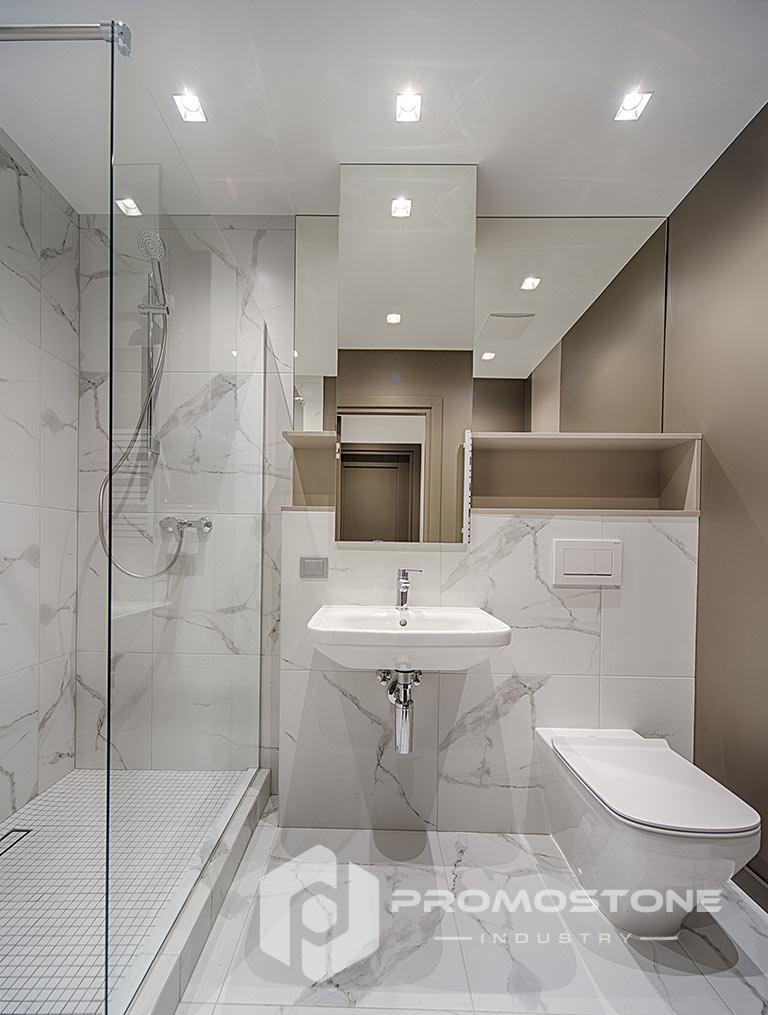
3 – Wall and floor coverings
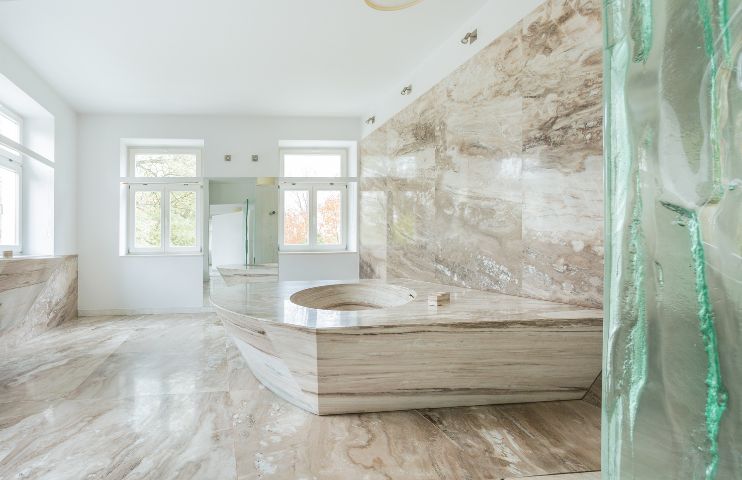
Slabs obtained after cutting can be used for floors, walls, or building facades.
Why these techniques are important
Cutting and machining play an essential role in the transformation of marble. These techniques make it possible to produce precise pieces adapted to architectural projects.
Moreover, they improve the aesthetic appearance of natural stone. Thus, they also contribute to increasing its durability.
The importance of precision in marble processing
Transforming marble requires great precision. Indeed, each piece must respect exact dimensions to ensure perfect installation.
In addition, precise cutting improves the finishing quality of the marble. Professionals can therefore create surfaces perfectly adapted to architectural projects.
Finally, this precision also helps improve the durability and the quality of installations.