The different types of marble used in architecture
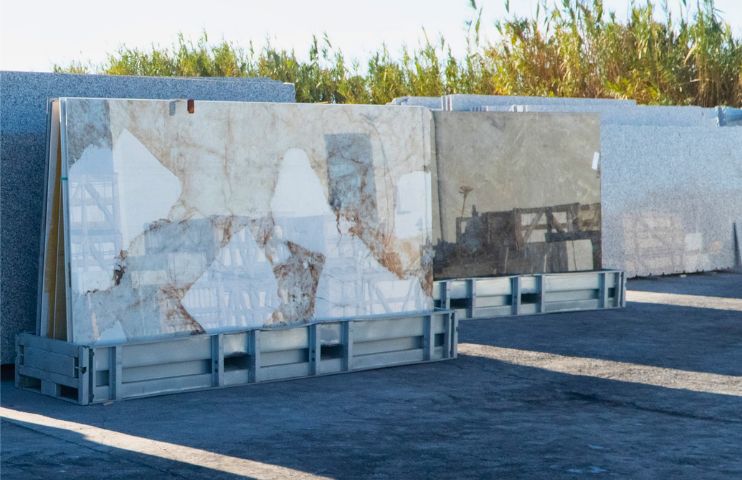
Marble is a natural stone widely used in architecture thanks to its elegance and durability. For centuries, it has occupied an important place in construction and decoration projects. Today, architects use different types of marble to create elegant and refined spaces. Each type has specific characteristics that influence its use in buildings.
White marble
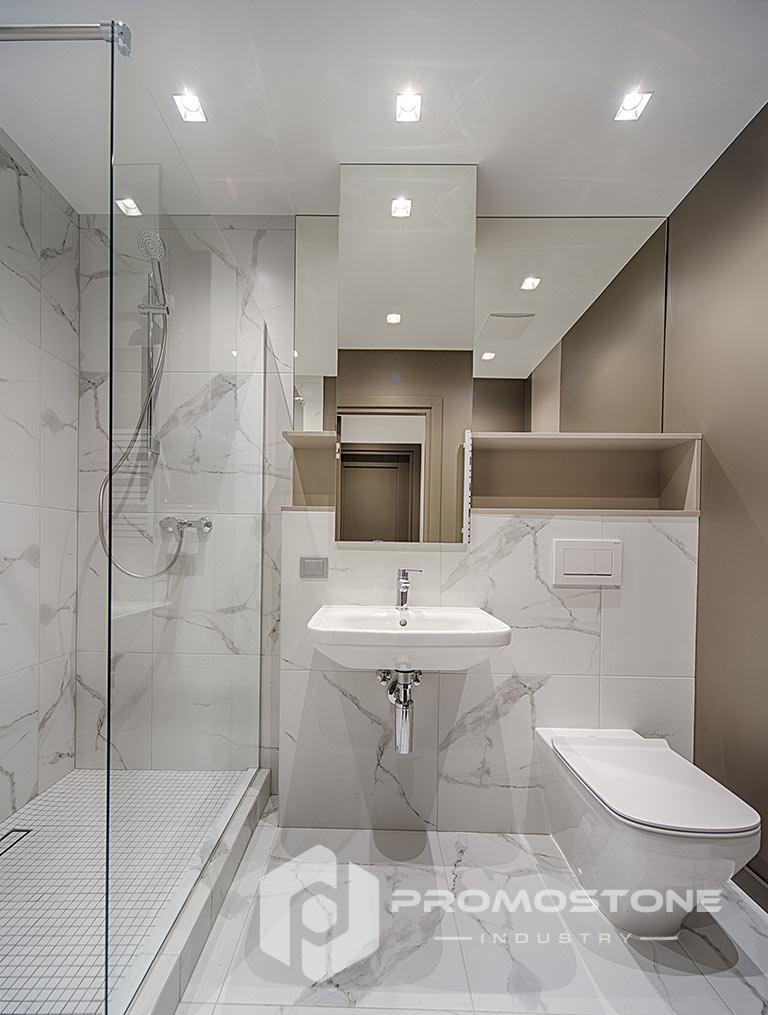
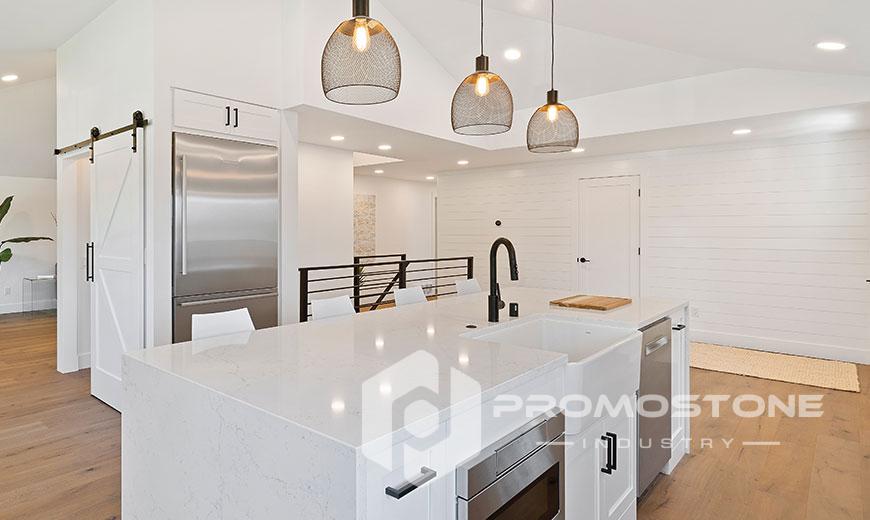
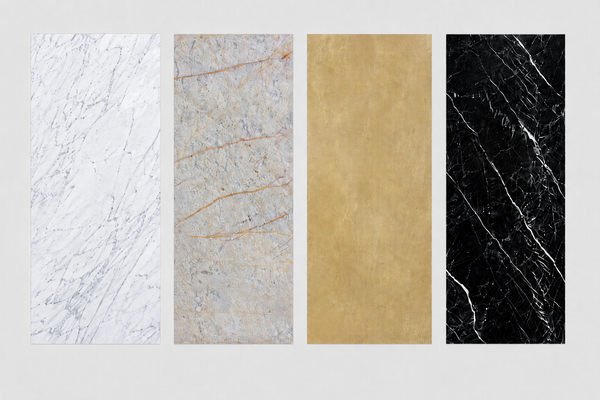
White marble is one of the most common types of marble used in architecture. Indeed, it is distinguished by its light color and elegant appearance. Thus, it brings a feeling of brightness and purity to spaces.
In addition, architects often use white marble for floors, stairs, and wall coverings. As a result, this material remains very popular in interior decoration projects and prestigious buildings.
Black marble
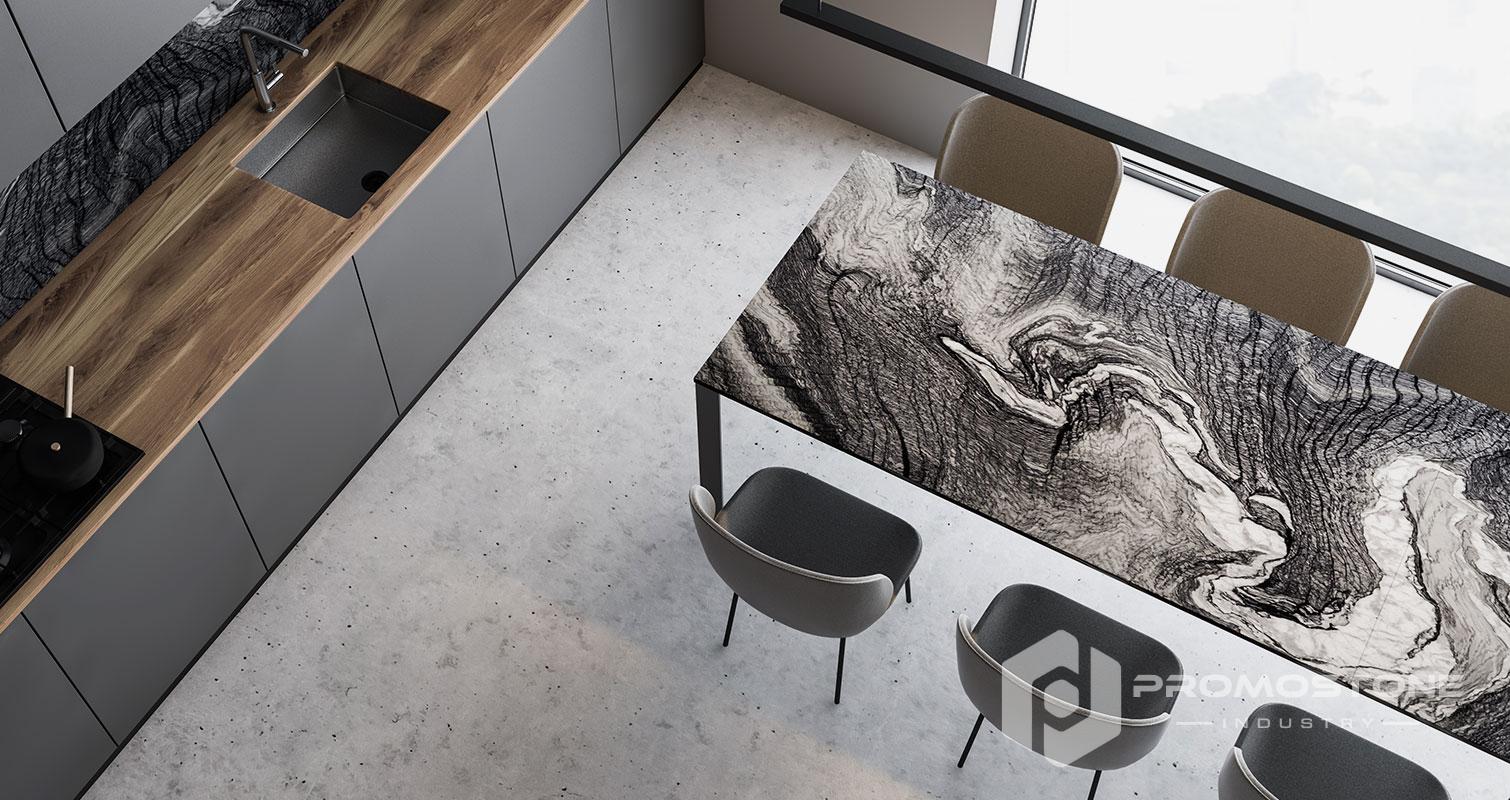
Black marble is characterized by its deep color and sophisticated appearance. Thus, it creates an elegant contrast in modern architectural projects.
For example, designers use this type of marble for floors, countertops, and certain decorative elements. In addition, it brings a luxurious touch to interior spaces.
Grey marble
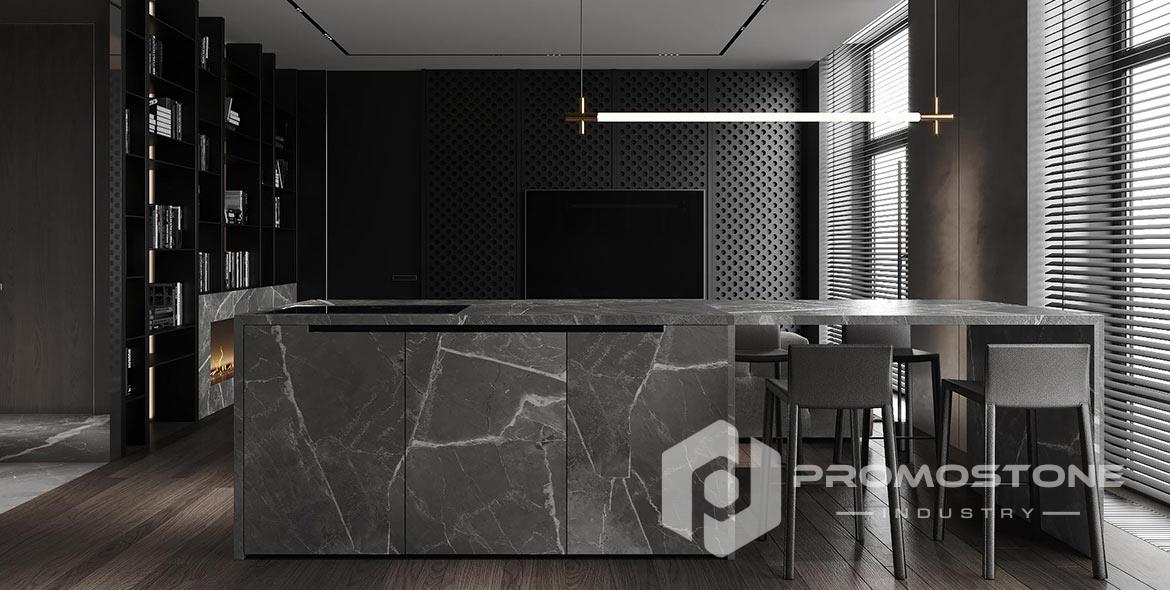
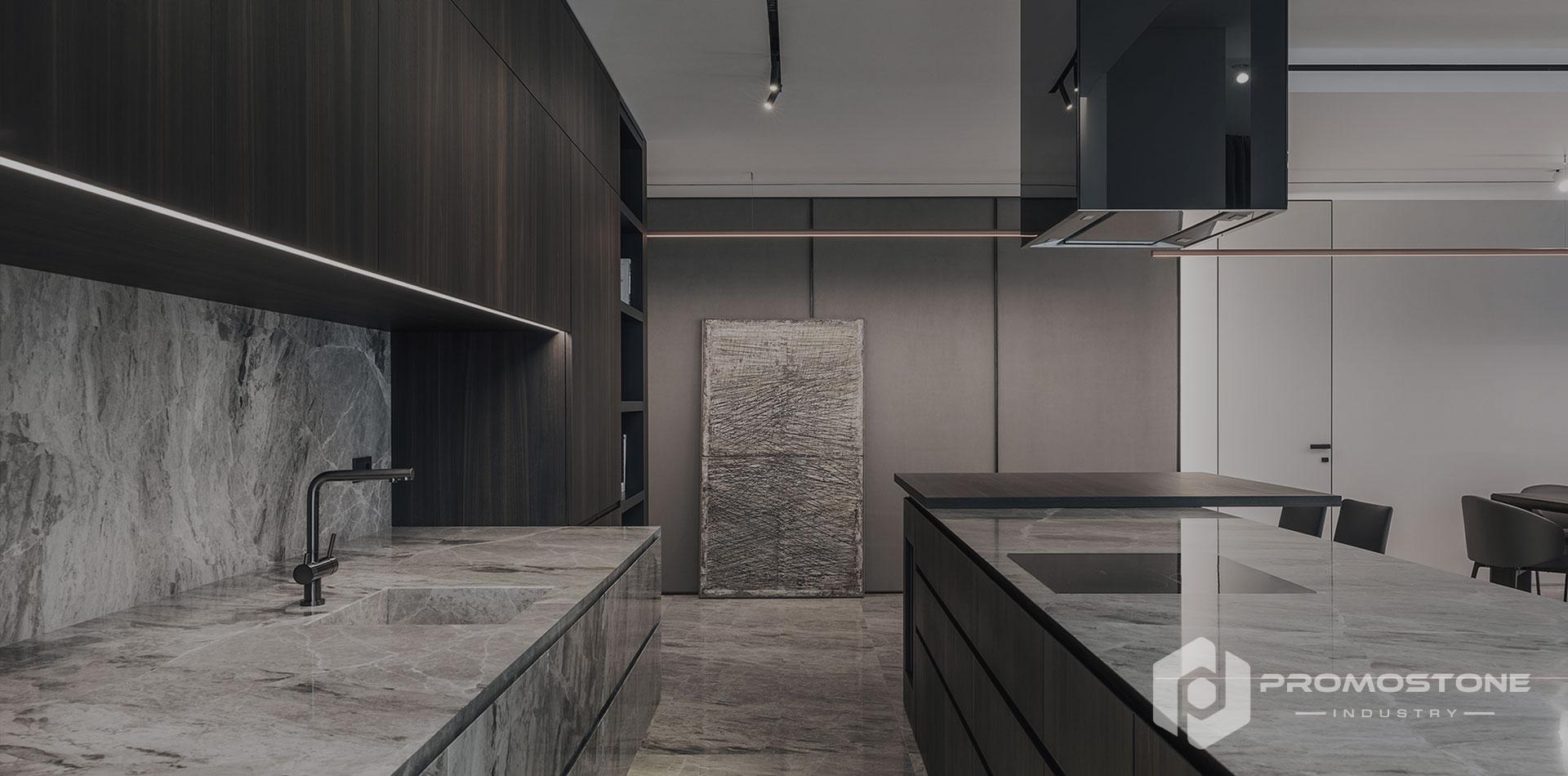
Grey marble is highly appreciated in contemporary architecture. Its neutral color adapts easily to different decoration styles.
Therefore, this type of marble is often used for wall coverings, floors, or facades. It allows the creation of modern and harmonious spaces.
Beige marble
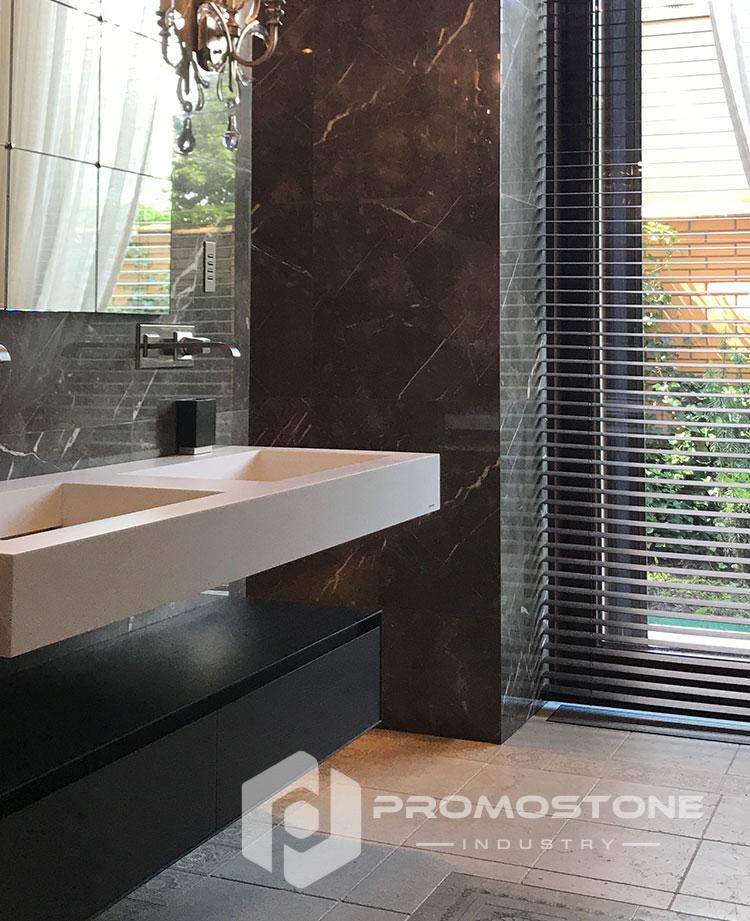
Beige marble also occupies an important place in marble design projects. Its warm tones create a natural and elegant atmosphere.
Architects frequently use beige marble in interior decoration, particularly for floors and wall coverings.
The use of marble in modern architecture
Today, marble remains a material widely used in modern architectural projects. Indeed, it combines aesthetics, resistance, and durability.
Architects integrate marble into floors, facades, stairs, or even worktops. Thus, marble makes it possible to create spaces that are both elegant and durable.